Dental
Implants Belfast
Dental implants are a modern, highly predictable solution for replacing missing teeth. Unlike removable dentures or traditional bridges, implants replace the tooth root as well as the visible crown — restoring both aesthetics and full functional capability.
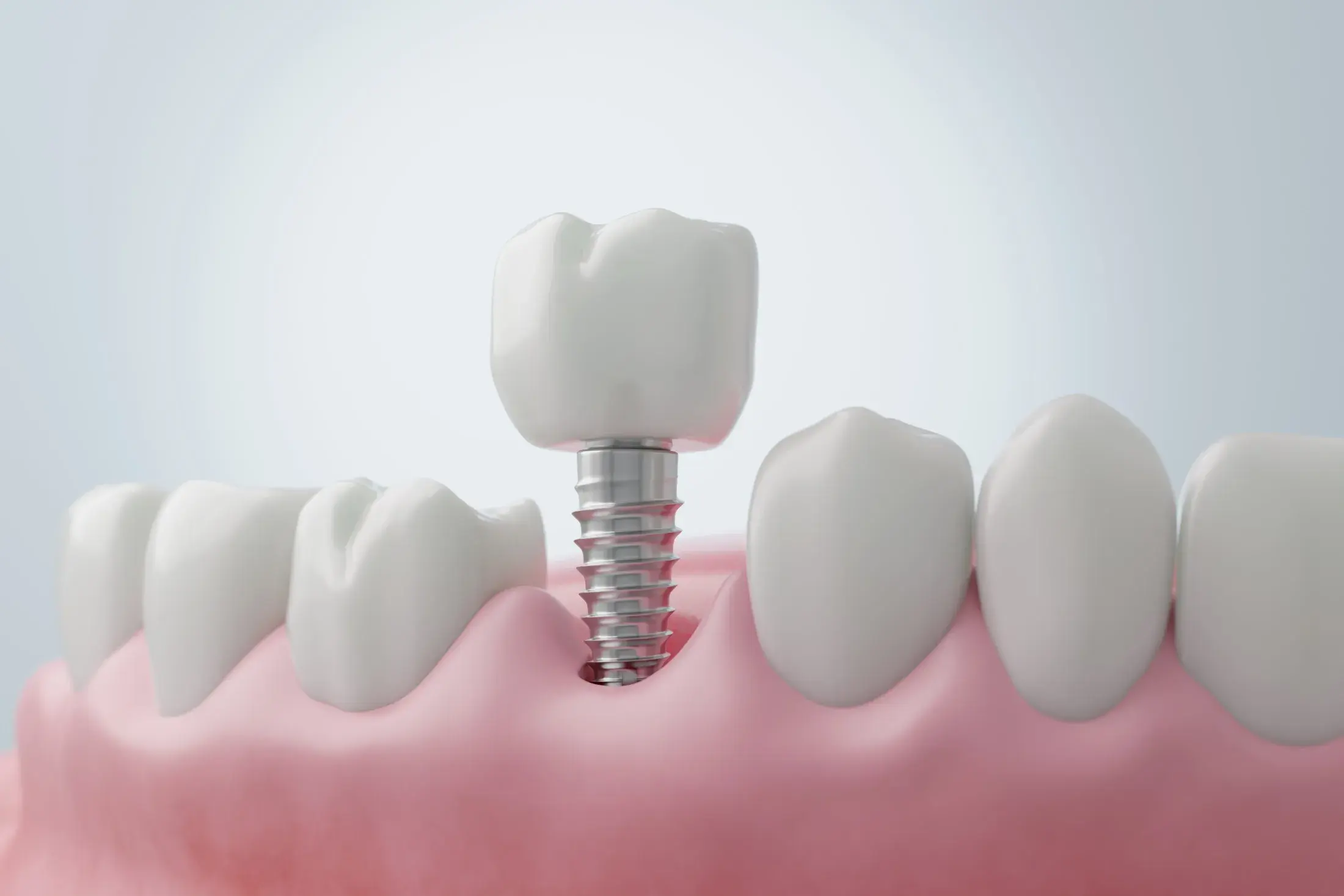
A dental implant consists of a titanium fixture placed within the jawbone, which integrates with the bone over time. Once healed, a custom-made crown, bridge, or denture is secured to the implant, providing a stable, natural-looking restoration.
Understanding Dental Implants
A dental implant is a biocompatible titanium post surgically inserted into the alveolar bone to replace a missing tooth root. Through a biological process called osseointegration, the implant fuses with surrounding bone, creating a stable foundation for a prosthetic restoration.
Implants may be used to support:
- A single crown
- Multiple-unit bridges
- Full-arch fixed prostheses
- Implant-retained dentures
They are indicated when a tooth is missing due to:
- Trauma
- Advanced decay
- Periodontal disease
- Congenital absence
- Failed root canal treatment
Unlike conventional bridges, implants do not require preparation of adjacent healthy teeth. Additionally, they help preserve bone volume, preventing the gradual resorption that follows tooth loss.
Benefits of Dental Implants for Dental Concerns
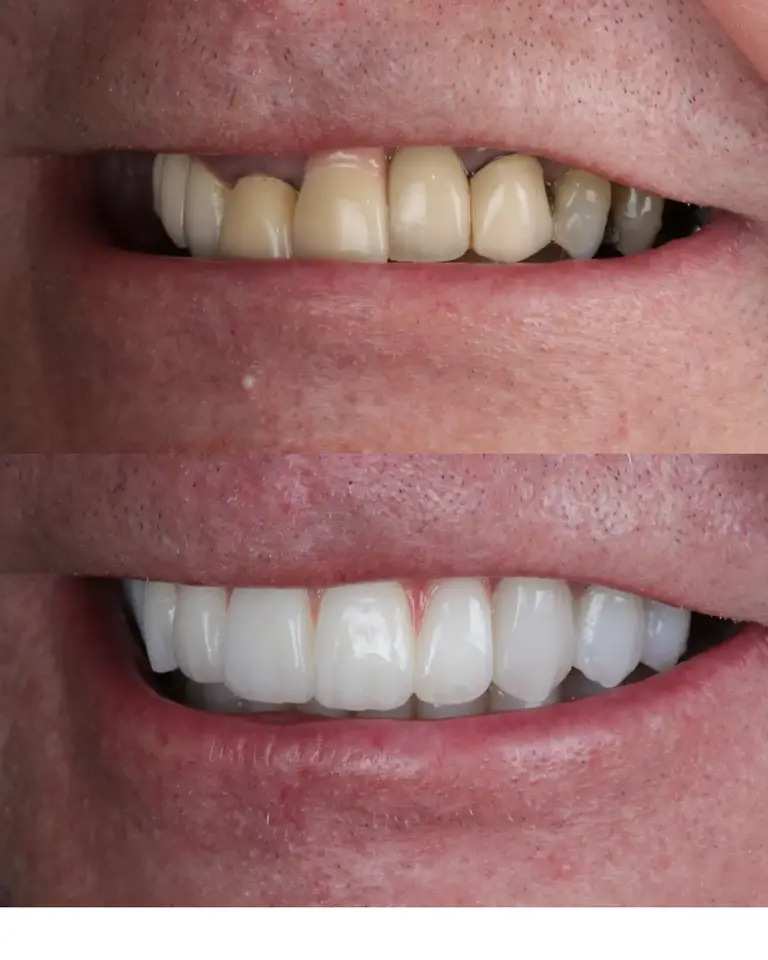
Addressing Aesthetic Issues
Dental implants provide superior aesthetic outcomes because they replicate the emergence profile of a natural tooth from the gumline.
Key aesthetic advantages include:
- Natural crown contours
- Preservation of gum architecture
- Prevention of bone collapse
- Elimination of visible metal clasps (as seen in some dentures)
- Stable colour-matched ceramic crowns
When properly planned with digital imaging and surgical precision, implants blend seamlessly into the smile.
Restoring Tooth Functionality
Functionally, implants are the closest alternative to natural teeth.
They:
- Restore full chewing efficiency
- Maintain proper occlusal balance
- Prevent shifting of adjacent teeth
- Support facial structure
- Improve speech clarity
Because the implant integrates with bone, it can withstand normal biting forces without relying on neighbouring teeth for support.
In full-arch cases, implant-supported restorations significantly improve stability compared to removable dentures.
The Consultation Process
What to Expect During Your Initial Visit
Implant treatment begins with a comprehensive assessment, including:
- Full dental and medical history review
- Clinical examination
- Radiographic imaging (often CBCT 3D scanning)
- Bone volume evaluation
- Occlusal assessment
- Discussion of treatment options
The clinician evaluates bone density, anatomical structures (such as sinuses or nerves), and overall oral health to determine suitability.
In some cases, additional procedures such as bone grafting or sinus augmentation may be required before implant placement.
Tooth Preparation for Dental Implants
The Steps Involved in Tooth Preparation
Unlike veneers or bonding, implant preparation involves surgical placement rather than enamel reshaping.
Preparation may include:
- Extraction of the failing tooth (if present)
- Site preservation or bone grafting (if necessary)
- Healing period to allow bone maturation
- Digital or surgical guide planning
The objective is to create sufficient bone volume and ideal positioning for long-term implant success.
Anesthesia Options for Comfort
Dental implant placement is typically performed under:
- Local anaesthesia
- Local anaesthesia with oral sedation
- Intravenous (IV) sedation (in selected cases)
Most patients report minimal discomfort during the procedure. Post-operative symptoms are usually manageable with prescribed medication.
The Dental Implants Procedure
Implant Placement
The surgical phase involves:
- Precise incision and site preparation
- Sequential drilling under irrigation
- Insertion of the titanium implant
- Placement of a healing cap or cover screw
The implant is then left to integrate with bone over a healing period of approximately 3–6 months, depending on case complexity.
In selected cases, immediate placement or immediate loading protocols may be possible.
Restoration Phase
After successful osseointegration:
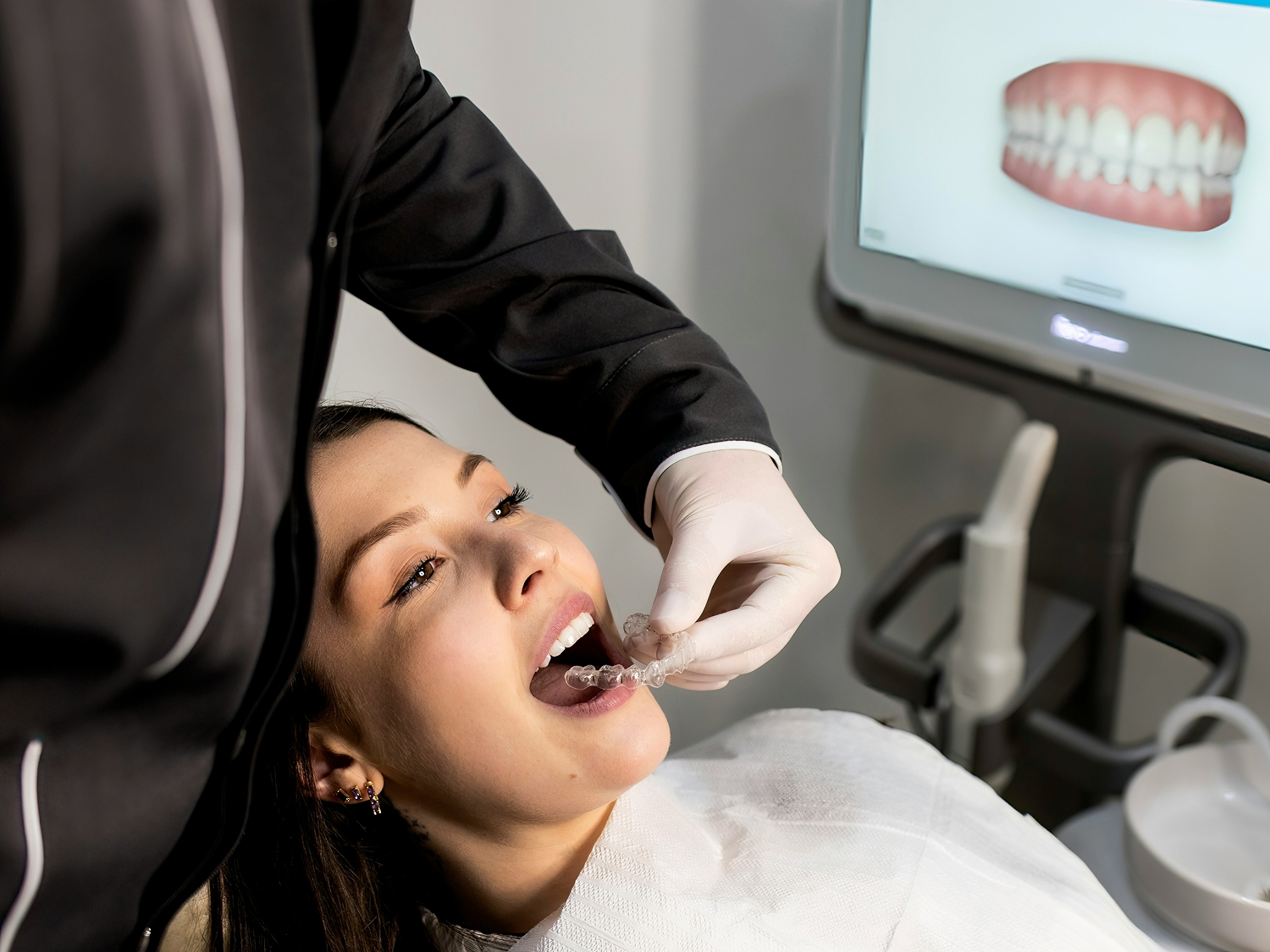
- An impression or digital scan is taken
- A custom abutment is fabricated
- A ceramic crown, bridge, or prosthesis is secured
Final adjustments ensure optimal occlusion, aesthetics, and hygiene accessibility.
Aftercare for Dental Implants
Tips for Maintaining Your New Smile
Dental implants require diligent maintenance to ensure long-term success.
Patients should:
- Brush twice daily
- Floss or use interdental brushes around implants
- Attend regular hygiene appointments
- Avoid smoking
- Wear a night guard if bruxism is present
Peri-implant health must be monitored to prevent inflammation.
Foods to Avoid After Treatment
Immediately following surgery:
- Avoid hard or crunchy foods
- Avoid chewing directly on the surgical site
- Maintain a soft diet for several days
Long-term, implants function like natural teeth but should not be subjected to excessive force (e.g., chewing ice).
Risks and Considerations
Potential Complications and How to Mitigate Them
Although implant success rates are high (typically above 95%), potential risks include:
- Infection (peri-implantitis)
- Implant failure to integrate
- Nerve injury (rare)
- Sinus complications (upper posterior cases)
- Mechanical loosening of components
Risk mitigation includes:
- Thorough 3D planning
- Careful surgical technique
- Excellent oral hygiene
- Smoking cessation
- Regular professional monitoring
Early detection of inflammation significantly improves outcomes.
Candidacy: Who Is an Ideal Candidate?
Ideal candidates:
- Have adequate bone volume (or are suitable for grafting)
- Maintain good oral hygiene
- Are medically stable
- Do not smoke heavily
- Have controlled systemic conditions
Patients with uncontrolled diabetes, heavy smoking habits, or untreated gum disease may require stabilisation before treatment.

Cost of Dental Implants
Breakdown of Typical Costs
Implant costs typically include:
- Consultation and imaging
- Surgical placement
- Implant fixture
- Abutment
- Final crown or prosthesis
Additional procedures (e.g., grafting) may incur separate fees.
Implants are generally more expensive than bridges or dentures due to surgical complexity and long-term durability.
Factors Influencing Overall Price
Cost depends on:
- Number of implants required
- Bone grafting needs
- Type of restoration (single vs full arch)
- Materials used
- Geographic location
- Clinician expertise
A full treatment plan outlines all associated fees prior to commencement.
Financing Options for Dental Implants
Exploring Payment Plans
Many clinics offer:
- Interest-free finance options
- Third-party healthcare financing
- Staged treatment planning
- Flexible instalment structures
This allows patients to spread investment over time.
Insurance Coverage Considerations
In many cases, implants for cosmetic purposes are not covered by public healthcare systems.
Under the NHS, implants are typically available only in limited circumstances where there is significant clinical need (such as trauma or congenital absence). Eligibility depends on strict criteria and local guidelines.
Private insurance policies may provide partial reimbursement.

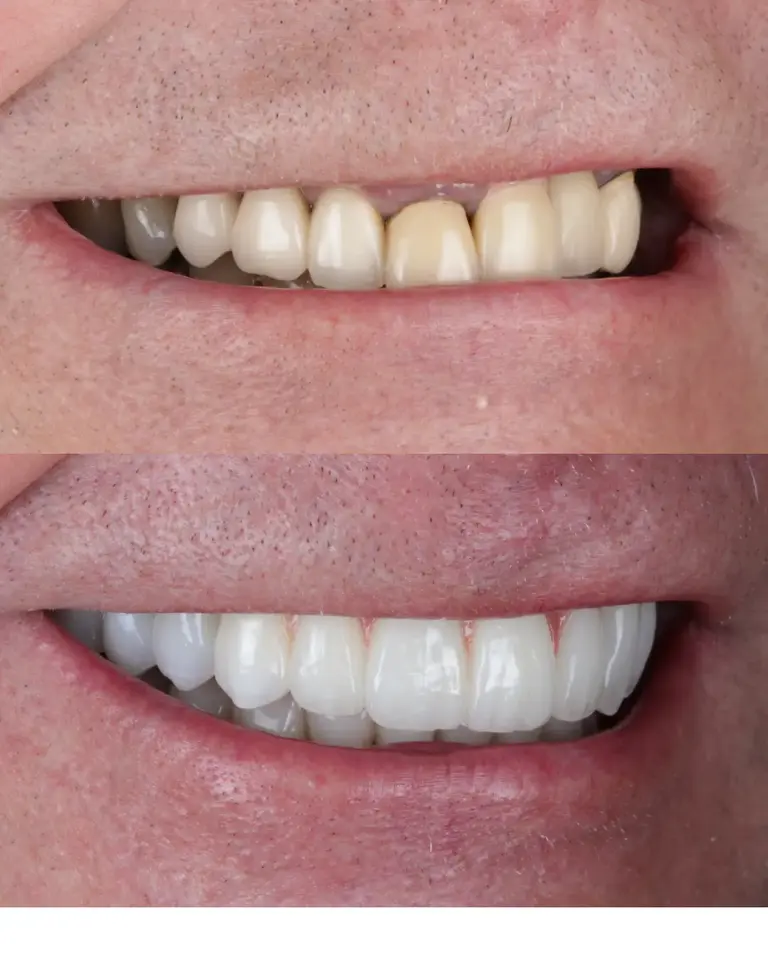
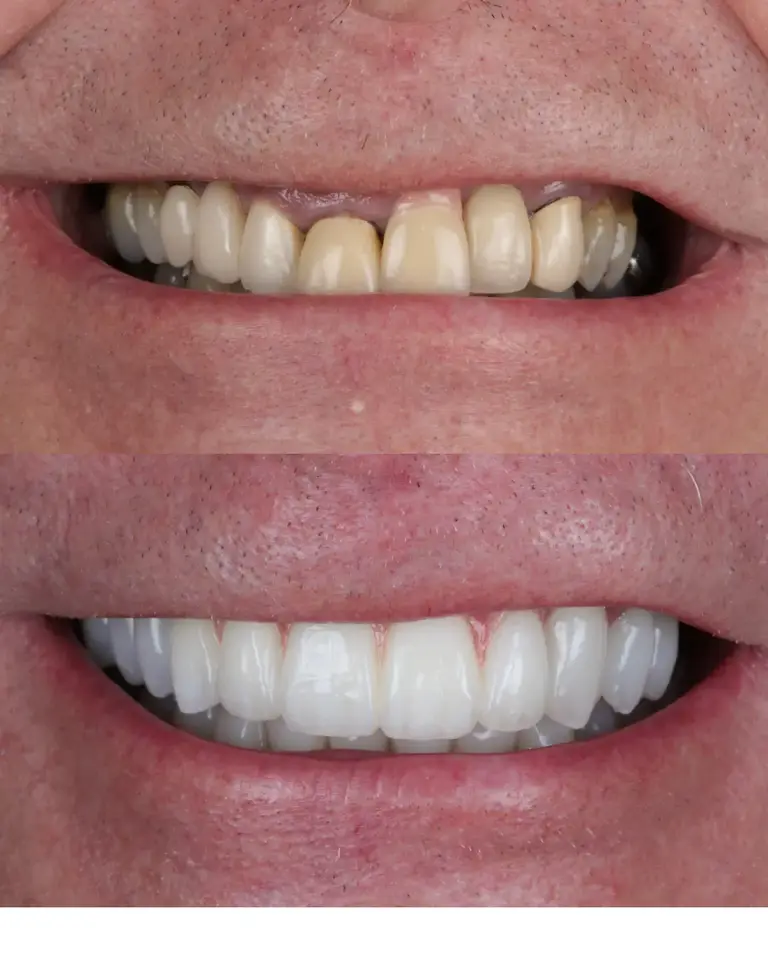
Dental Implants Testimonials
Real Experiences from Dental Implant Recipients
Patients commonly report:
- Restored chewing confidence
- Improved speech stability
- Enhanced facial support
- Long-term comfort compared to dentures
- Increased self-esteem
High satisfaction rates are associated with careful case selection and long-term maintenance.

Dental Implants Frequently Asked Questions
Dental implant placement at Finaghy Dental in Belfast currently costs £1,350, with an implant crown starting from £1,350. This means replacing a single missing tooth with a dental implant and crown starts from £2,700, excluding any additional treatment or separately charged assessments.
Our current dental implant fees are:
- Dental implant placement: £1,350
- Implant crown: From £1,350
- Bone grafting: From £650
- Soft tissue grafting: From £1,250
Not every patient requires bone or soft tissue grafting. The total cost depends on the condition of your jawbone and gums, the number of implants required and the complexity of the proposed restoration.
At Finaghy Dental, we undertake a detailed assessment and provide a personalised treatment plan with a clear breakdown of anticipated fees before proceeding.
Prices are correct at the time of publication and are subject to periodic review.
Dental implants are designed to provide a long-term solution for missing teeth and can last for several decades with appropriate care. However, their longevity depends on factors including oral hygiene, gum health, smoking, medical conditions and the forces placed on the implant.
The titanium implant fixture and the crown attached to it are separate components. While the implant itself may remain stable for many years, the crown or other restorative components may require maintenance, repair or replacement over time.
Dental implants are also susceptible to inflammation and bone loss around the implant, known as peri-implant disease.
At Finaghy Dental in Belfast, we emphasise long-term maintenance, regular professional hygiene appointments and annual implant reviews to help identify potential complications early.
Although dental implants have high success rates, no implant can be guaranteed to last a lifetime.
Dental implant placement is generally performed under local anaesthetic, meaning you should not experience pain during the procedure, although you may feel pressure or vibration.
Some swelling, bruising and discomfort are normal following surgery, particularly when additional procedures such as bone grafting are required. These symptoms usually improve over the following days.
For patients who feel particularly nervous about dental treatment, Finaghy Dental also offers intravenous (IV) conscious sedation with midazolam, subject to a suitability assessment.
IV sedation can help reduce anxiety and make treatment more comfortable while allowing you to remain conscious and responsive.
During your consultation, we will explain the procedure, available anaesthetic and sedation options, expected recovery and appropriate postoperative care.
Many patients with a history of gum disease or bone loss can still be considered for dental implants, but careful assessment and treatment planning are essential.
Active periodontal disease must be treated and stabilised before dental implant placement. This is particularly important because patients with a history of periodontitis have an increased risk of developing peri-implantitis, which can cause progressive bone loss and potentially lead to implant failure.
Where insufficient jawbone is available, additional procedures such as bone grafting or sinus augmentation may help create suitable conditions for implant placement.
At Finaghy Dental in Belfast, we assess your periodontal health, bone levels, oral hygiene and relevant medical risk factors before recommending treatment.
Our priority is to establish a stable, healthy foundation for long-term implant success rather than proceeding with implant surgery while underlying disease remains uncontrolled.
Not every patient requires bone grafting before dental implant placement.
Following tooth loss, the surrounding jawbone can gradually shrink in height and width. If there is insufficient bone to support an implant in the ideal position, a bone graft may be recommended.
Bone grafting at Finaghy Dental starts from £650, with the final fee depending on the extent and complexity of treatment.
In some cases, grafting can be performed at the same appointment as implant placement. In others, a separate grafting procedure and healing period may be required.
For missing upper back teeth, a sinus lift may occasionally be necessary to create sufficient bone height.
We use clinical examination and appropriate radiographic imaging, including CBCT scanning where indicated, to assess the available bone and explain whether additional procedures are required.
The overall dental implant treatment process commonly takes several months, although the exact timeframe depends on your individual circumstances.
Following your initial consultation and treatment planning, the implant is surgically placed into the jawbone. A healing period is then usually required to allow the implant to integrate with the surrounding bone, a process known as osseointegration.
This healing period is commonly around 3–6 months, although it can be shorter or longer depending on the site, bone quality and treatment complexity.
Once the implant has integrated successfully, a digital scan or impression is taken so that your final implant crown can be manufactured and fitted.
If tooth extraction, bone grafting or sinus augmentation is required, treatment may take longer.
In selected cases, immediate implant placement or a temporary restoration may be possible. At Finaghy Dental, we will explain your anticipated treatment timeline before proceeding.
Dental implants, conventional bridges and removable dentures are all established options for replacing missing teeth. The most appropriate treatment depends on your oral health, the number of missing teeth, your preferences and your budget.
Dental implants replace missing teeth without routinely requiring preparation of healthy neighbouring teeth. They can provide a stable foundation for crowns, bridges or dentures and help limit bone loss in the area of the missing tooth.
Dental bridges can replace missing teeth without implant surgery, although conventional bridges usually require preparation of adjacent supporting teeth.
Removable dentures are generally a less invasive and lower-cost option, but some patients find them less stable or comfortable, particularly when eating.
Leaving the space unrestored may also be an option in certain circumstances.
At Finaghy Dental in Belfast, we discuss the advantages, disadvantages, costs and long-term maintenance requirements of each option so that you can make an informed decision.
Yes. Dental implants can be used to replace a single missing tooth, several missing teeth or an entire arch of teeth.
For patients missing multiple adjacent teeth, an implant-supported bridge may allow several teeth to be replaced using fewer implants than the number of missing teeth.
Patients who have lost most or all of their teeth may also be suitable for full-arch implant rehabilitation, using a carefully planned number of implants to support a fixed restoration.
The number and position of implants required depend on factors such as bone availability, bite forces, the proposed prosthesis and the condition of any remaining teeth.
At Finaghy Dental, we provide treatment ranging from single dental implants to more complex implant-supported bridges and full-arch rehabilitation.
A detailed clinical assessment and appropriate imaging are essential to determine the most suitable treatment approach.
Dental implants require ongoing care and maintenance, just like natural teeth.
Although an implant cannot develop tooth decay, the surrounding gum and bone can become inflamed or infected. This may begin as peri-implant mucositis, which affects the soft tissues, and can progress to peri-implantitis, involving progressive bone loss around the implant.
Good oral hygiene is therefore essential.
We recommend brushing twice daily, cleaning carefully around the implant with appropriate interdental brushes or floss, and attending regular professional hygiene appointments.
At Finaghy Dental, we generally recommend professional periodontal maintenance at least twice yearly for patients with dental implants, with more frequent visits where clinically indicated.
We also recommend an annual implant review to assess the surrounding tissues, restoration and implant stability, with radiographs taken when appropriate.
Long-term success depends on both the quality of treatment and your commitment to maintaining healthy gums and implants.
In selected cases, a dental implant can be placed immediately after a tooth is extracted. This is known as immediate implant placement.
However, immediate placement is not suitable for everyone. The decision depends on several factors, including the condition of the extraction socket, the amount of available bone, the presence of infection, gum architecture and whether the implant can achieve adequate initial stability.
In some situations, it is preferable to extract the tooth, allow the site to heal and place the implant at a later appointment.
Bone grafting may also be recommended to preserve or rebuild the surrounding bone.
At Finaghy Dental in Belfast, we assess each case individually and discuss immediate versus delayed implant placement, including the potential benefits, limitations and risks.
Our priority is to select the approach most likely to provide a stable, functional and natural-looking long-term restoration.