
Sinus Lift
A sinus lift is a specialised procedure designed to increase bone height in the upper jaw, making it possible to place dental implants where bone is lacking. It is a safe and predictable treatment that plays a key role in restoring missing teeth in the back of the upper jaw.
Understanding Sinus Lifts
A sinus lift (also known as sinus augmentation) involves gently lifting the sinus membrane to create space for new bone to form. This allows for secure placement of dental implants in the upper jaw.
Bone loss in this area is common due to natural anatomy, tooth loss, or gum disease. Without sufficient bone height, implants may not be possible — which is where a sinus lift becomes essential.
Types of Sinus Lift Procedures
Internal Sinus Lift (Crestal / Summers Lift)
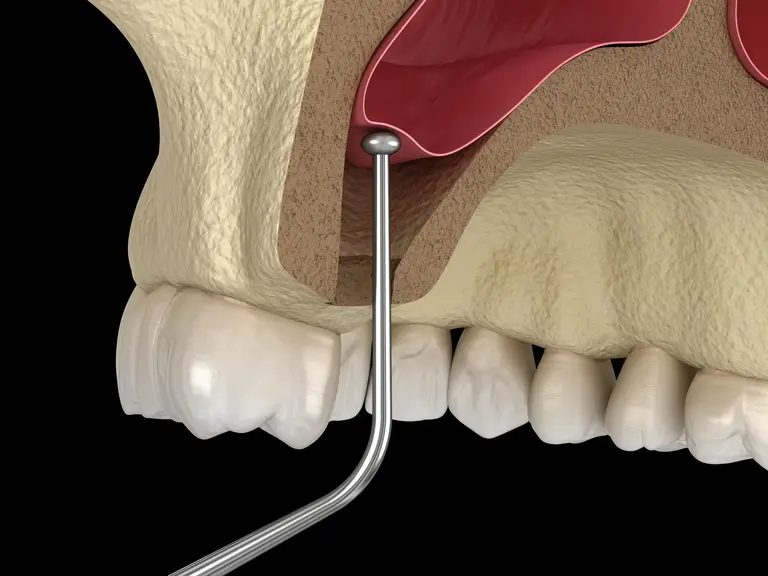
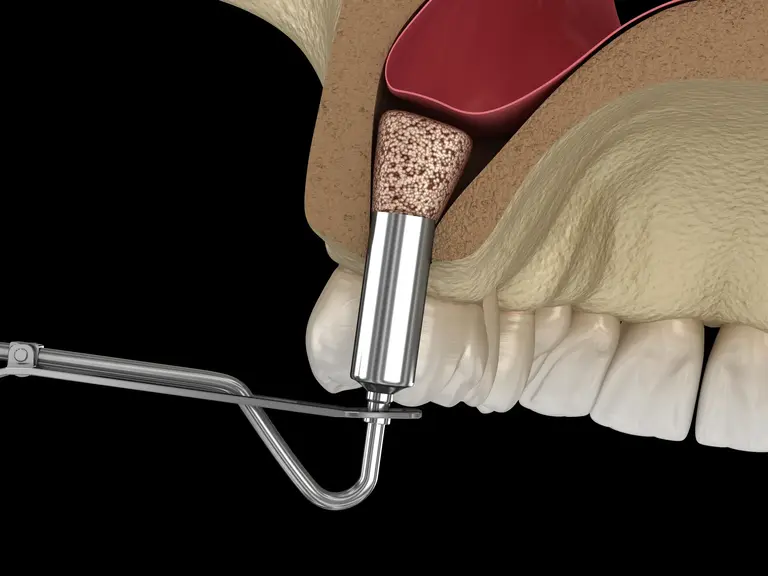
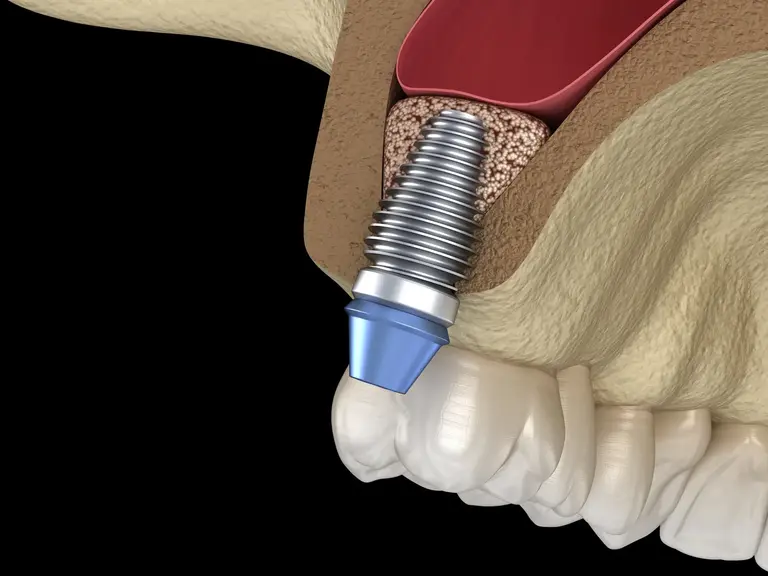
An internal sinus lift — often referred to as a crestal or Summers lift — is a minimally invasive technique performed through the implant site. The sinus membrane is gently elevated from within the implant socket.
In some cases, no additional bone graft material is required, as the body can naturally form new bone in the space created beneath the lifted membrane. In other cases, a small amount of graft material may be used to support this process.
This approach is ideal when there is already moderate bone height and only a small lift is needed. It is typically associated with quicker healing and reduced discomfort.
External Sinus Lift (Lateral Window Technique)
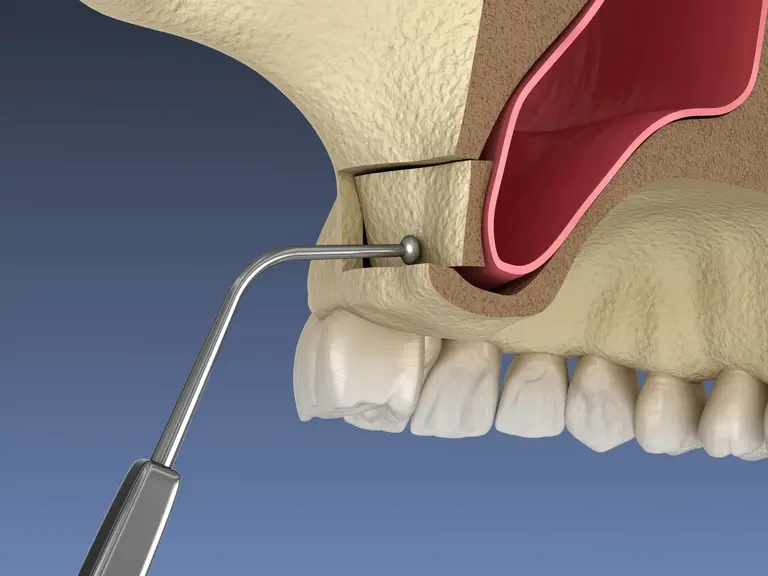
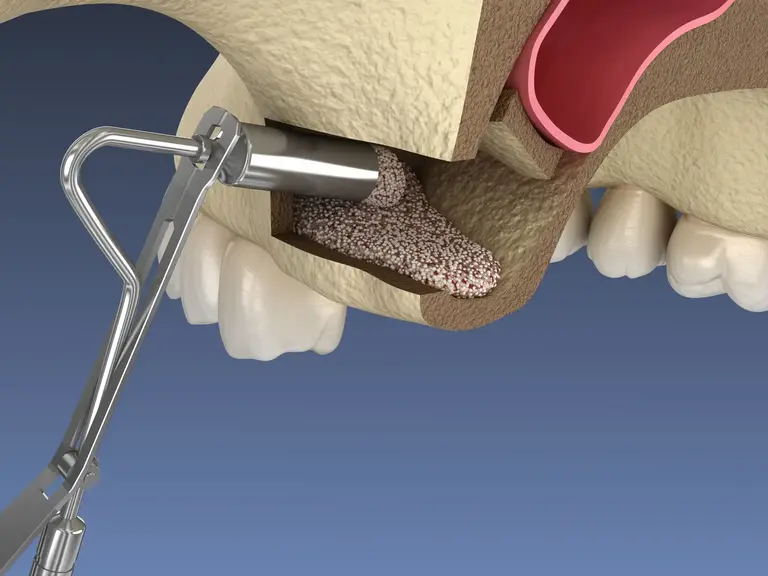
An external sinus lift is used when there is more significant bone loss. A small window is created in the side of the upper jaw to access the sinus membrane, which is then carefully lifted.
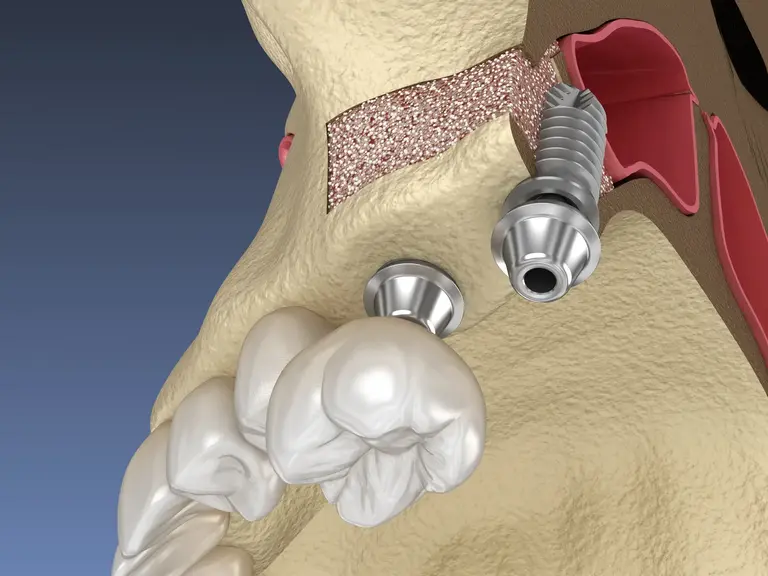
Bone graft material is placed into the space to encourage new bone growth. This technique allows for greater augmentation and is often carried out as a staged procedure, with implants placed after healing.
Benefits of Sinus Lifts for Dental Concerns
Enabling Implant Placement
A sinus lift creates the necessary bone volume to allow dental implants to be placed securely in the upper jaw, where this would otherwise not be possible.
Improving Long-Term Stability
By increasing bone height and density, sinus lifts provide a stronger, more predictable foundation for implants, improving long-term success rates.

The Consultation Process
What to Expect During Your Initial Visit
Your consultation includes detailed imaging, such as 3D scans, to assess bone levels and sinus anatomy. This allows us to determine whether a sinus lift is required and which technique is most appropriate.
We’ll explain your options clearly and create a personalised treatment plan tailored to your needs.
We are highly experienced in treating nervous patients and take extra care to ensure you feel comfortable and reassured throughout your visit.
Preparation for a Sinus Lift
The Steps Involved in Preparation
Preparation may include treating gum disease, removing failing teeth, and planning implant placement alongside the sinus lift.
Advanced digital planning ensures precision, safety, and optimal outcomes.
Sedation Options for Comfort
We understand that surgical procedures can feel daunting. Our team is experienced in supporting nervous patients and creating a calm environment.
We offer IV sedation, helping you feel deeply relaxed throughout the procedure. Many patients remember very little, making it an excellent option for those with dental anxiety.
The Sinus Lift Procedure
Lifting the Sinus Membrane
The sinus membrane is carefully elevated using specialised techniques to create space beneath it. This is done with precision to protect the delicate sinus lining.
Creating Space for Bone Growth
Depending on the technique used, this space may be filled with bone graft material — or, in some crestal (Summers) lift cases, left to heal naturally without grafting, allowing the body to form new bone on its own.
Implants may be placed at the same time or after a healing period, depending on the case.
Aftercare for Sinus Lift
Tips for Maintaining Healing
Following aftercare instructions is essential. This includes maintaining good oral hygiene, avoiding pressure on the area, and attending follow-up visits.
Foods to Avoid After Treatment
Soft foods are recommended during early healing. Avoid hard, crunchy, or chewy foods that could disrupt the area.
You may also be advised to avoid blowing your nose or sneezing forcefully to protect the sinus.
Risks and Considerations
Potential Complications and How to Mitigate Them
Risks include sinus membrane perforation, infection, or delayed healing. These are uncommon and are minimised with careful planning and experienced technique.
Candidacy: Who Is an Ideal Candidate?
A sinus lift is suitable for patients needing implants in the upper jaw where bone height is limited.
A full assessment will determine whether this procedure is required and which approach is best.

Cost of Sinus Lift
Breakdown of Typical Costs
Costs vary depending on the type of sinus lift, materials used, and whether implants are placed simultaneously.
Factors Influencing Overall Price
Factors include the extent of bone loss, need for grafting, and whether a staged or immediate approach is used.
Financing Options for Sinus Lift
Exploring Payment Plans
Flexible payment options are available to spread the cost of treatment.
Insurance Coverage Considerations
Some procedures may be partially covered depending on your dental insurance policy.

Sinus Lift Testimonials
Real Experiences from Patients
Patients often highlight how sinus lift treatment made implants possible — restoring both function and confidence.
Sinus Lift Frequently Asked Questions
A lateral window sinus lift at Finaghy Dental in Belfast costs £2,250. The overall cost of treatment may vary depending on the complexity of your case, the amount of bone required and whether additional procedures are necessary.
A sinus lift, also known as sinus augmentation, is a surgical procedure designed to increase the amount of bone in the upper back jaw to allow dental implants to be placed where insufficient bone is available.
There are two main techniques:
- Internal sinus lift (crestal or Summers technique): A less invasive approach typically used when a relatively small increase in bone height is required.
- External sinus lift (lateral window technique): A more extensive procedure used when greater bone augmentation is necessary.
The cost of an internal sinus lift depends on the proposed treatment and will be confirmed following assessment.
At Finaghy Dental, we assess your jawbone and sinus anatomy using clinical examination and appropriate three-dimensional CBCT imaging. This allows us to determine whether sinus augmentation is required and which approach is most suitable.
Following your consultation, you will receive a personalised treatment plan explaining the proposed procedure, anticipated healing period and associated costs.
Dental implant placement, implant crowns and other additional procedures are quoted separately where applicable.
Fees are subject to periodic review.
A sinus lift is a bone augmentation procedure used to increase the amount of bone available in the upper posterior jaw before or during dental implant placement.
The maxillary sinuses are air-filled spaces located above the upper back teeth. Following tooth loss, the jawbone in this region may gradually reduce in height, while the sinus cavity can expand into the space previously occupied by bone.
This can leave insufficient bone to accommodate a dental implant of an appropriate size and position.
A sinus lift involves carefully elevating the membrane lining the floor of the maxillary sinus to create space for bone regeneration. Depending on the technique, bone graft material may be placed beneath the elevated membrane.
Over time, the grafted area heals and develops bone capable of supporting a dental implant.
At Finaghy Dental in Belfast, we assess the available bone height, sinus anatomy and intended implant position before recommending sinus augmentation.
Not every patient with missing upper back teeth requires a sinus lift, and alternative implant approaches may be appropriate in selected cases.
The main difference is the surgical approach and the amount of additional bone height required.
An internal sinus lift, also called a crestal or Summers sinus lift, is performed through the site prepared for the dental implant.
The sinus membrane is gently elevated from beneath, sometimes using specialised instruments or hydraulic techniques. This approach is generally considered when there is sufficient existing bone to support an implant and only a modest increase in height is required.
An external or lateral window sinus lift involves creating a small access window in the side of the upper jaw. The sinus membrane is carefully elevated, and bone graft material is placed beneath it to increase the available bone volume.
This approach is commonly recommended when more substantial bone augmentation is required.
A lateral window sinus lift may be performed as a separate procedure before implant placement or, in selected cases, alongside implant surgery.
At Finaghy Dental, we use clinical assessment and CBCT imaging to determine the most appropriate technique based on your anatomy, bone availability and restorative requirements.
Healing following a sinus lift commonly takes several months, with approximately 4–9 months sometimes required before implant placement or subsequent restorative treatment, depending on the procedure and individual circumstances.
Smaller internal sinus lifts are frequently carried out at the same appointment as implant placement, meaning the sinus augmentation and implant can heal together.
More extensive lateral window sinus lifts may require a separate healing period to allow the grafted bone to mature before implants can be inserted.
The healing process depends on several factors, including:
- The amount of existing jawbone.
- The extent of sinus augmentation.
- The graft material used.
- Whether implants are placed simultaneously.
- Your general health and individual healing response.
Although the gum tissue generally heals within the first few weeks, the underlying grafted area continues to remodel and mature over several months.
At Finaghy Dental in Belfast, we assess healing clinically and radiographically where appropriate before proceeding with implant treatment.
Sinus lift surgery is generally carried out under local anaesthetic to minimise pain during the procedure.
You may experience pressure or vibration while the area is being treated, but the surgical site should remain numb.
Following treatment, some swelling, bruising, tenderness and a feeling of pressure around the cheek or sinus are common, particularly after a lateral window sinus lift.
These symptoms usually improve over the following days, although recovery varies depending on the extent of surgery.
For nervous or anxious patients, Finaghy Dental offers intravenous (IV) conscious sedation with midazolam, subject to a medical and sedation suitability assessment.
IV sedation can help reduce anxiety and improve comfort during longer surgical procedures while allowing you to remain conscious and responsive.
During your consultation, we discuss the proposed procedure, anaesthetic and sedation options, postoperative expectations and potential complications.
Several types of bone grafting materials can be used during sinus augmentation, and the most appropriate material depends on the amount of bone required and the surgical technique.
These include:
- Autograft: Bone taken from another area of your own body, commonly from within the mouth.
- Allograft: Carefully processed human donor bone obtained from regulated tissue banks.
- Xenograft: Bone-derived material from another species, commonly bovine, which acts as a scaffold to support bone regeneration.
- Synthetic bone substitutes: Manufactured biocompatible materials designed to support new bone formation.
Different materials may be combined depending on the clinical circumstances.
In selected internal sinus lift procedures, the membrane may be elevated without placing additional graft material, allowing a blood clot and the body's natural healing processes to contribute to bone formation.
Where human donor bone is used, patients should be aware that this may affect their future eligibility to donate blood in the UK.
At Finaghy Dental, we explain the proposed graft material, its origin, advantages, limitations and potential risks before obtaining your consent.
Although sinus augmentation is an established surgical procedure, all sinus lift procedures carry risks, and successful bone regeneration cannot be guaranteed.
One of the most recognised complications is perforation or tearing of the Schneiderian membrane, the delicate lining of the maxillary sinus.
A membrane perforation may be managed during surgery, but in some cases it may be necessary to modify or postpone the procedure.
Other potential complications include:
- Infection or sinusitis.
- Bleeding, swelling and bruising.
- Wound opening or delayed healing.
- Exposure, displacement or loss of graft material.
- Incomplete bone regeneration or graft failure.
- Temporary or persistent altered sensation.
- The need for further surgery or additional grafting.
Patients with existing sinus disease, certain medical conditions, smoking habits or uncontrolled oral infections may have an increased risk of complications.
At Finaghy Dental in Belfast, we carefully assess your sinus anatomy, medical history and dental health before treatment.
Where appropriate, further medical assessment or referral to an ear, nose and throat (ENT) specialist may be recommended before proceeding.
Yes. In suitable cases, a sinus lift and dental implant can be carried out during the same surgical appointment.
This is particularly common with internal sinus lifts, where sufficient existing bone is available to achieve adequate initial implant stability.
Simultaneous implant placement may also be possible with some lateral window sinus lifts, depending on the amount and quality of the remaining bone.
However, where there is significant bone loss, the existing bone may not provide sufficient stability for immediate implant placement.
In these circumstances, a staged approach may be recommended, with the sinus lift performed first and the implant placed after the graft has healed and matured.
At Finaghy Dental, the decision is based on your available bone, sinus anatomy, proposed implant position and the likelihood of achieving appropriate implant stability.
Our aim is to select the approach that offers the most favourable conditions for healing and long-term implant support.
Following a sinus lift, it is particularly important to avoid activities that create excessive pressure within the sinus during the initial healing period.
Your dentist will provide personalised postoperative instructions, which may include:
- Avoid blowing your nose until advised it is safe.
- Sneeze with your mouth open rather than trying to suppress a sneeze.
- Avoid forceful spitting, vigorous rinsing and drinking through a straw immediately after surgery.
- Avoid smoking or vaping, as these can impair healing.
- Avoid strenuous exercise and heavy lifting during the initial recovery period.
- Follow advice regarding flying, diving or other activities involving significant pressure changes.
- Eat softer foods initially and avoid chewing directly over the surgical site.
Good oral hygiene remains important, although cleaning around the surgical area may need to be modified temporarily.
If you experience worsening facial swelling, increasing pain, fever, persistent nosebleeds, fluid passing between the mouth and nose, or symptoms suggestive of a sinus infection, you should contact the practice promptly.
At Finaghy Dental, we provide detailed aftercare guidance and arrange follow-up appointments where appropriate to monitor healing.
A sinus lift is not always necessary for patients with reduced bone height in the upper jaw. The most suitable approach depends on the amount of available bone, the position of the missing teeth and your individual anatomy.
In selected cases, shorter dental implants or alternative implant positions may be considered where there is sufficient bone to provide appropriate support.
For patients requiring more extensive upper jaw rehabilitation, alternative surgical approaches may also be available, although these are not suitable for everyone.
Other options for replacing missing teeth include conventional dental bridges and removable dentures, depending on the condition of the remaining teeth and the patient's preferences.
Where sinus augmentation is necessary, an internal or lateral window sinus lift may allow implants to be placed in a more favourable position.
At Finaghy Dental in Belfast, we use comprehensive clinical assessment and appropriate CBCT imaging to evaluate the available options.
We discuss the benefits, limitations, costs and potential risks of each approach, allowing you to make an informed decision about your treatment.