
Invisalign Belfast
Invisalign is a modern orthodontic system designed to straighten teeth using a series of custom-made, clear removable aligners. Unlike fixed braces, Invisalign aligners are virtually invisible and can be removed for eating, brushing, and flossing.
While it does not “build up” tooth structure in the restorative sense, Invisalign restores alignment, bite function, and smile harmony — often forming the foundation of a comprehensive smile makeover.
Understanding Invisalign
Invisalign is a clear aligner orthodontic system that uses advanced 3D digital planning to gradually reposition teeth. A series of bespoke thermoplastic aligners are fabricated, each designed to apply controlled forces to specific teeth at each stage of treatment.
The system can correct:
- Mild to moderate crowding
- Spacing and diastemas
- Overbite and deep bite
- Underbite
- Crossbite
- Open bite
- Mild relapse after previous orthodontics
Each aligner is typically worn for 1–2 weeks before progressing to the next in the series, gradually moving teeth into their ideal positions.
Unlike traditional braces, there are no fixed brackets or wires. Tooth movement is digitally mapped from start to finish before treatment begins.
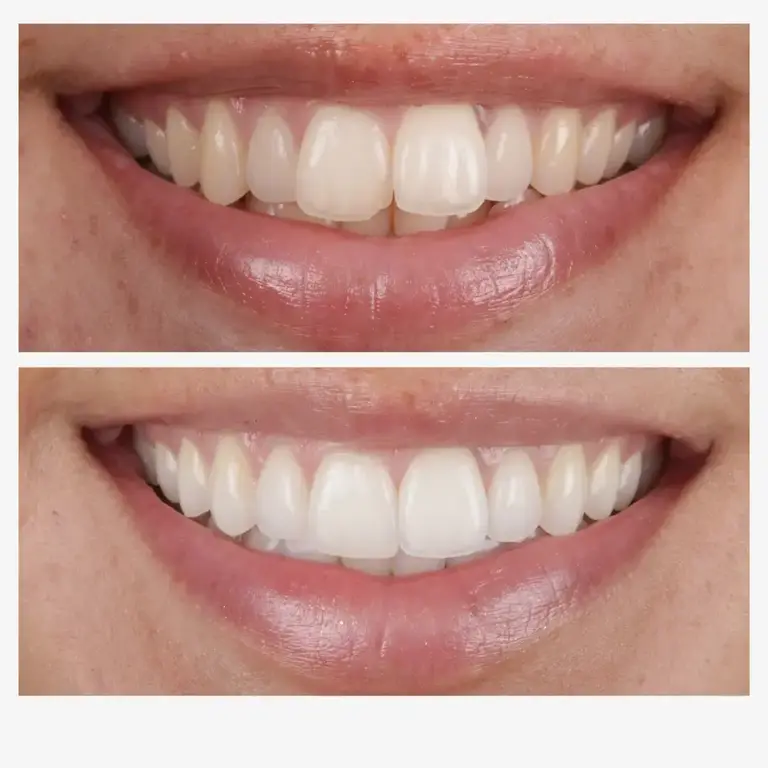
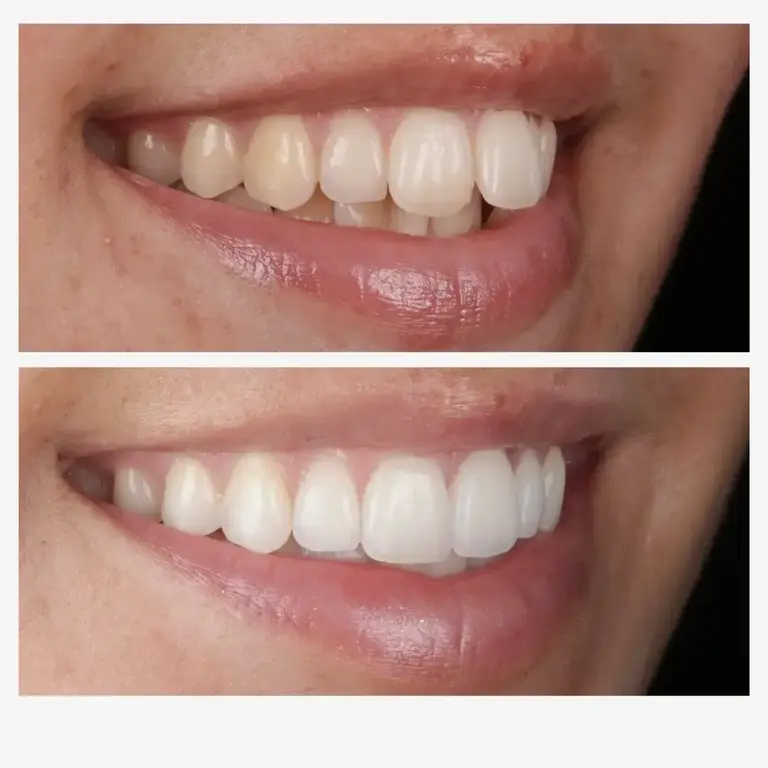
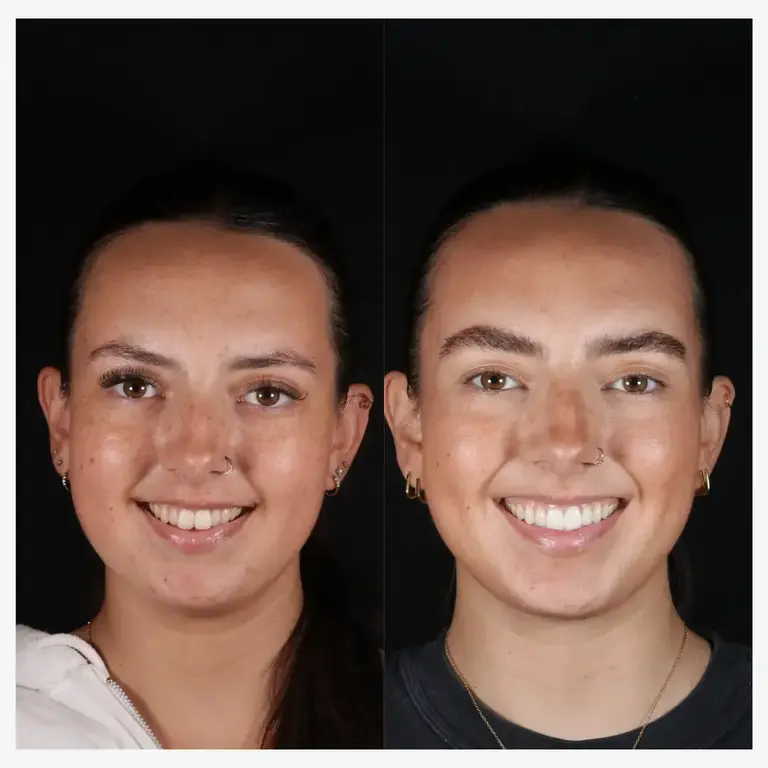
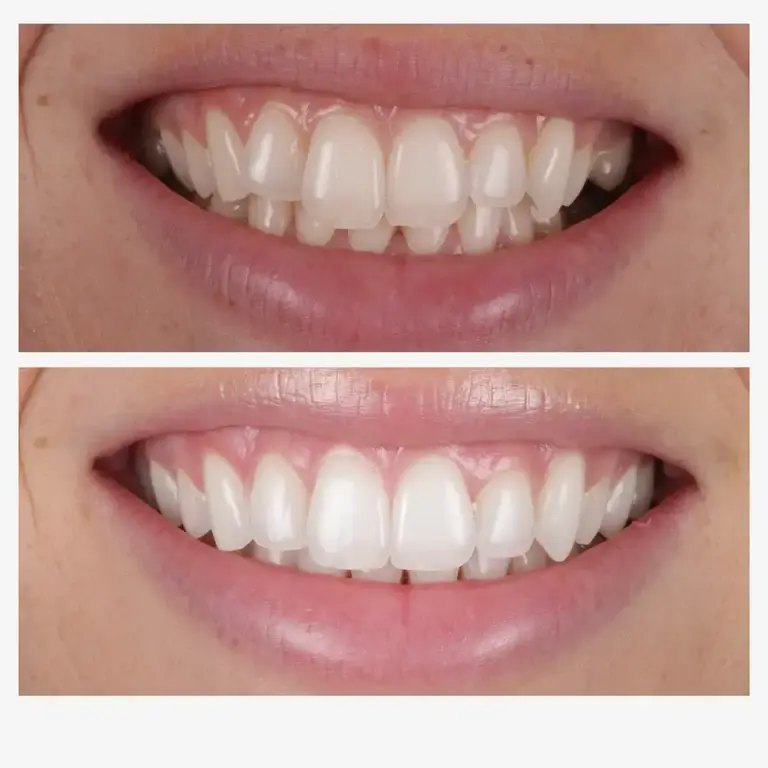
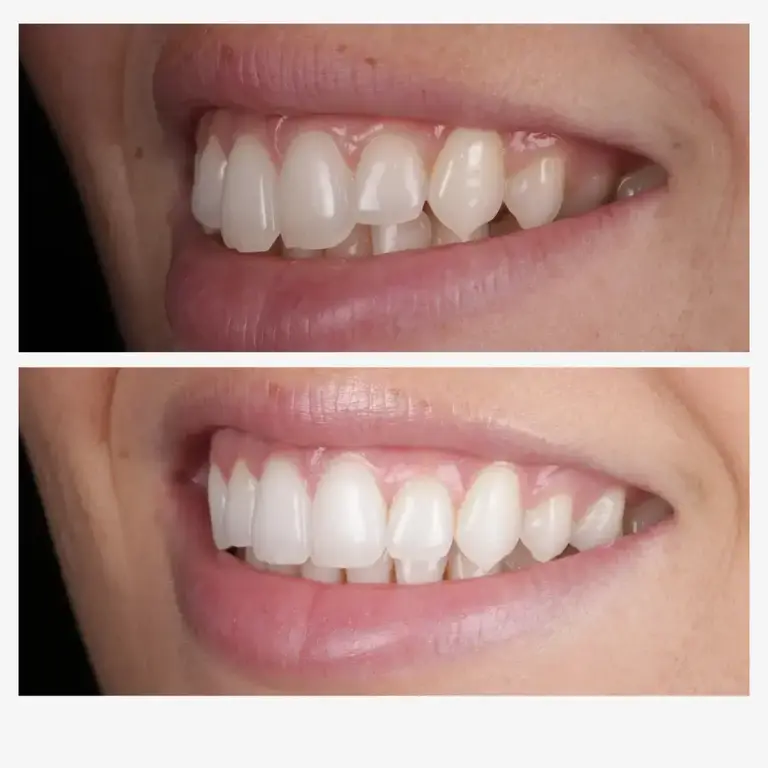
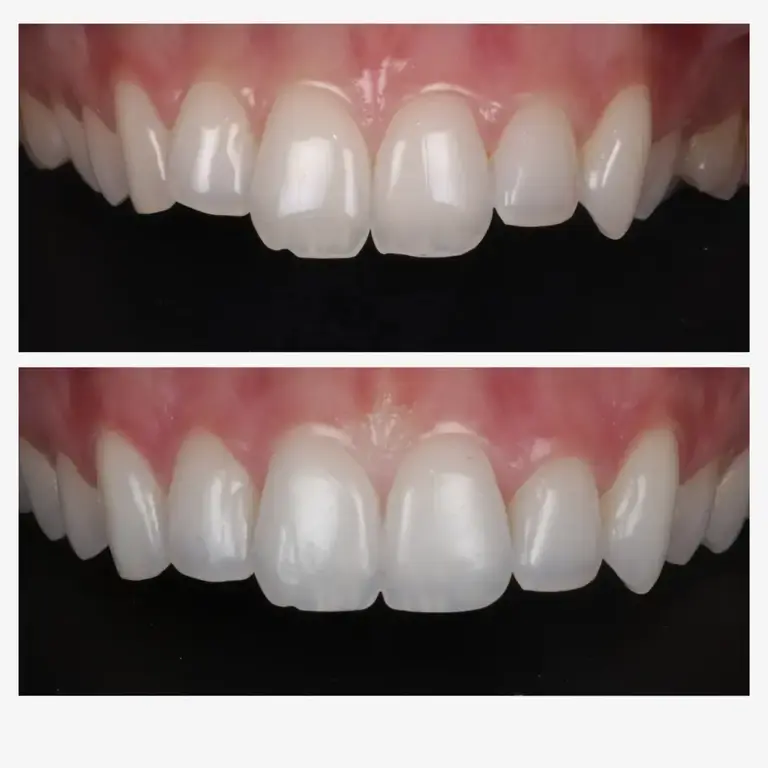
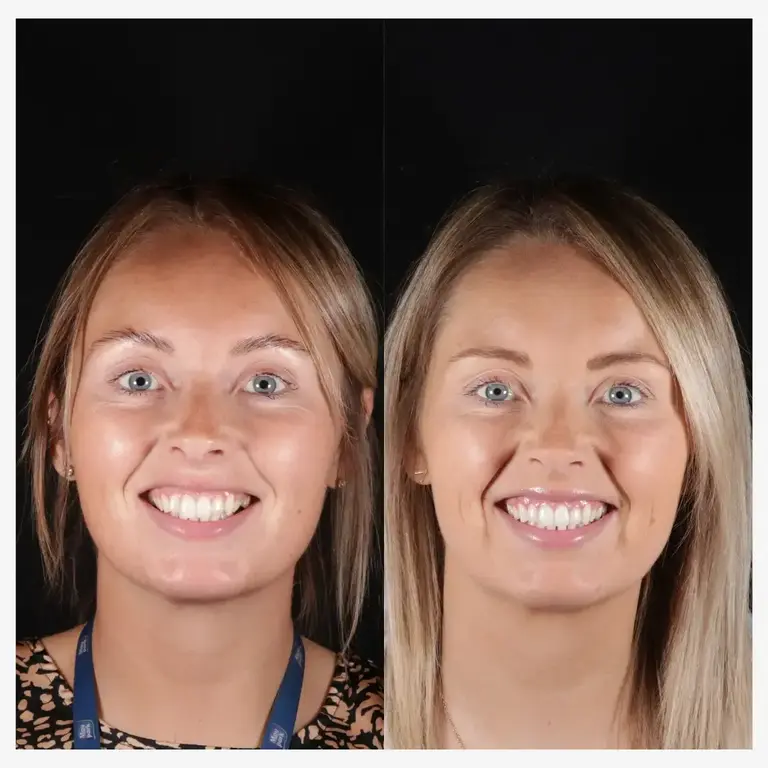
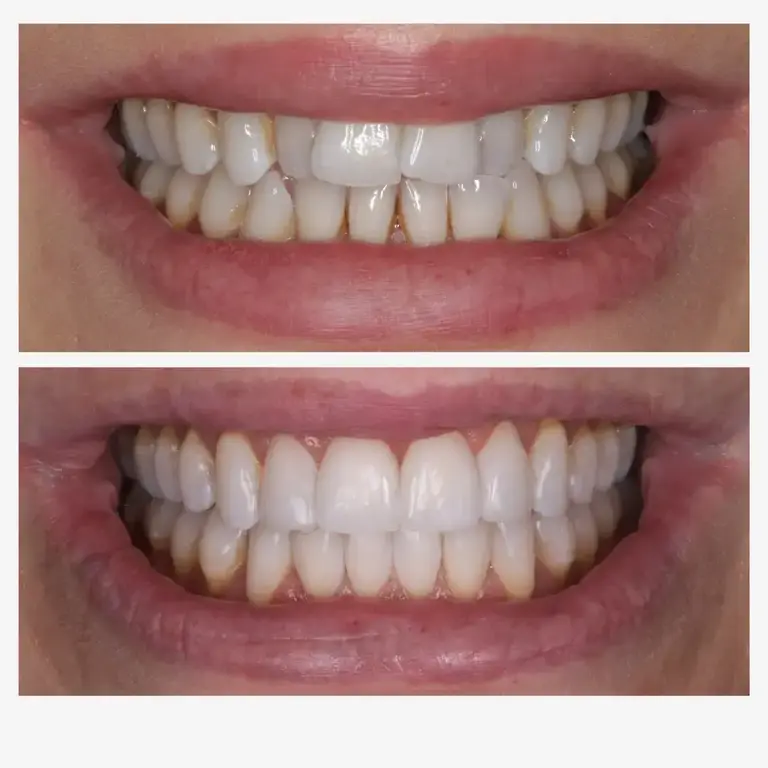
What Are The Benefits of Invisalign
Addressing Aesthetic Issues
From an aesthetic perspective, Invisalign offers two key advantages:
- Discreet appearance – Clear aligners are barely noticeable in social and professional settings.
- Predictable smile design – Digital planning allows patients to preview projected results before treatment begins.
By correcting alignment issues, Invisalign improves:
- Smile symmetry
- Tooth proportions
- Midline discrepancies
- Overlapping or rotated teeth
- Uneven incisal edges caused by crowding
Proper alignment often enhances the results of complementary treatments such as whitening, composite bonding, or veneers.
Restoring Tooth Functionality
Orthodontic alignment is not purely cosmetic. Malocclusion can contribute to:
- Uneven tooth wear
- Jaw discomfort
- Difficulty cleaning crowded areas
- Increased risk of decay and gum disease
- Functional bite instability
Invisalign improves occlusal balance by:
- Distributing biting forces evenly
- Reducing traumatic contacts
- Enhancing chewing efficiency
- Improving long-term periodontal health
In many cases, correcting alignment reduces strain on the temporomandibular joints (TMJ).

The Consultation Process
What to Expect During Your Initial Visit
A comprehensive Invisalign assessment includes:
- Full clinical examination
- Photographic documentation
- Digital intraoral scan
- Bite analysis
- Discussion of smile goals
- Assessment of gum health
A 3D digital simulation (ClinCheck) is created to map projected tooth movement. This allows detailed review of expected results, treatment duration, and any adjunctive procedures required.
In some cases, preliminary treatment such as hygiene therapy or restorative work may be required before commencing orthodontics.
Tooth Preparation for Your Invisalign
The Steps Involved in Tooth Preparation
Invisalign does not require enamel removal in the traditional restorative sense. However, certain minor procedures may be necessary:
- Placement of small tooth-coloured attachments to enhance aligner grip
- Interproximal reduction (IPR) in selected cases to create minimal space
- Polishing following IPR
Attachments are temporary and removed at the end of treatment.
Anesthesia Options for Comfort
Local anaesthesia is generally not required.
If interproximal reduction is performed and sensitivity is anticipated, local anaesthetic may be offered, though most patients tolerate the procedure comfortably without it.
Mild pressure or tightness is normal when switching to a new aligner.
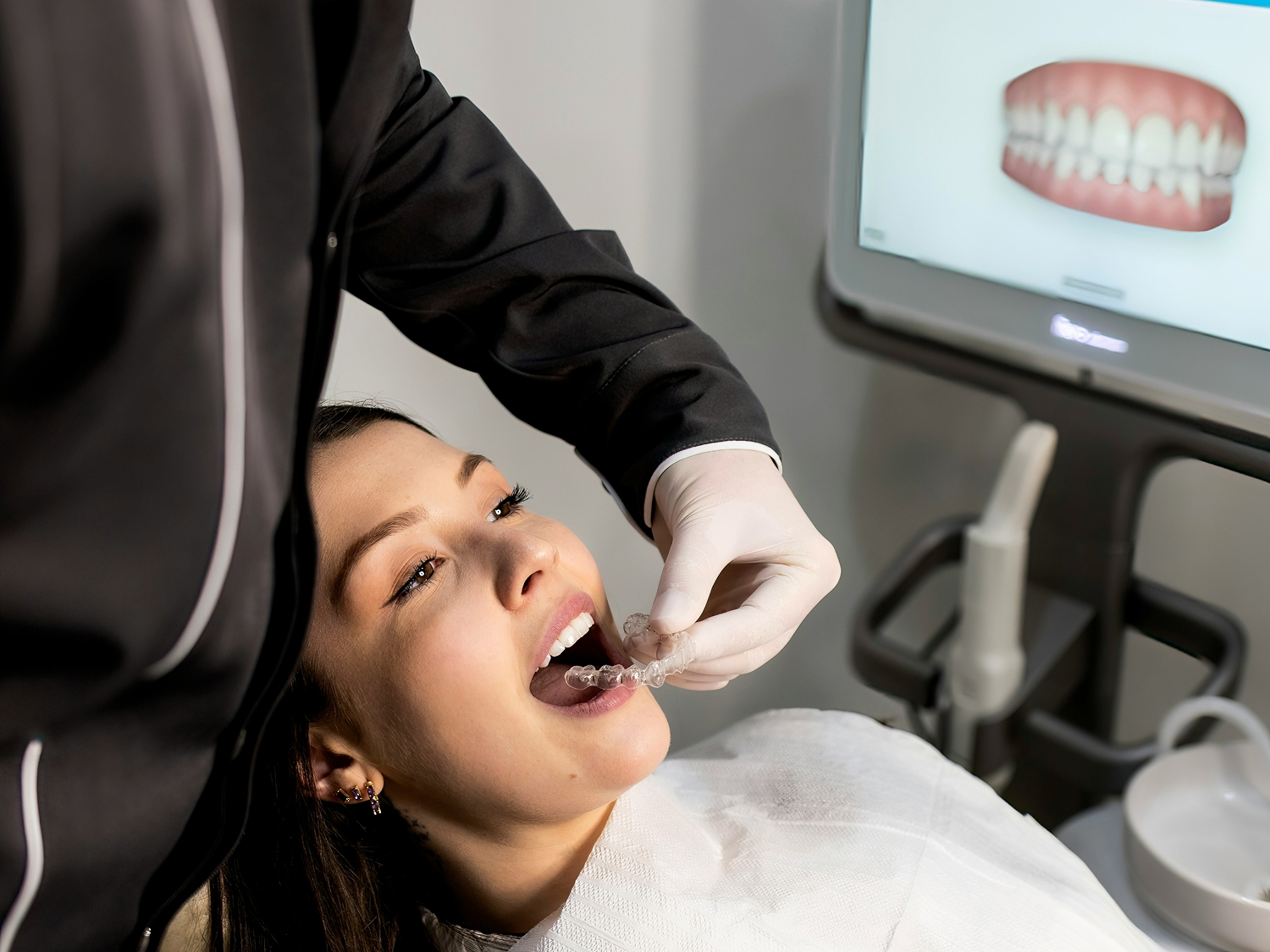
The Invisalign Procedure
Aligners and Tooth Movement
Once the custom aligners are fabricated:
- The first set is fitted
- Attachments (if required) are placed
- Instructions are given for wear
Aligners must be worn 20–22 hours per day for optimal results. They are removed only for eating, drinking (except water), brushing, and flossing.
Patients typically attend review appointments every 6–8 weeks to monitor progress.
Refinement and Completion
After the initial series is completed:
- A review scan is taken
- Refinement aligners may be prescribed if needed
- Attachments are removed
- Teeth are polished
Retention is essential. Custom retainers are provided to maintain the corrected alignment long-term.
Aftercare for Invisalign
Tips for Maintaining Your New Smile
During treatment:
- Clean aligners daily with recommended cleaning solutions
- Brush and floss after every meal before reinserting aligners
- Store aligners safely when removed
- Attend scheduled review appointments
After treatment:
- Wear retainers as instructed
- Maintain regular hygiene visits
- Monitor for signs of relapse
Retention compliance is critical for long-term stability.
Foods to Avoid After Treatment
While aligners are removed for eating, patients should:
- Avoid sugary drinks while wearing aligners
- Avoid hot beverages with aligners in place (can distort plastic)
- Maintain strict oral hygiene to prevent decay
After completion, no dietary restrictions are typically required.
Risks and Considerations
Potential Complications and How to Mitigate Them
Possible risks include:
- Temporary discomfort or pressure
- Minor speech changes initially
- Inadequate wear compliance leading to delayed results
- Attachment debonding
- Relapse if retainers are not worn
Mitigation strategies:
- Strict compliance (20–22 hours daily wear)
- Regular reviews
- Good oral hygiene
- Retainer use long-term
When properly managed, Invisalign outcomes are highly predictable.
Candidacy: Who Is an Ideal Candidate?
Ideal candidates:
- Have mild to moderate alignment issues
- Are motivated and compliant
- Maintain good oral hygiene
- Have healthy gums
- Prefer discreet orthodontic treatment
More complex skeletal discrepancies may require fixed orthodontics or combined orthodontic-orthognathic approaches.

Cost of Invisalign
Breakdown of Typical Costs
Invisalign pricing typically includes:
- Consultation and digital scans
- Full aligner series
- Review appointments
- Refinement aligners (if required)
- Retainers
Costs vary depending on complexity and treatment duration.
Factors Influencing Overall Price
Price is influenced by:
- Severity of misalignment
- Number of aligners required
- Need for refinements
- Clinician expertise
- Geographic location
Comprehensive cases requiring longer treatment naturally incur higher costs.
Financing Options for Invisalign
Exploring Payment Plans
Many clinics offer:
- Interest-free monthly payment plans
- Third-party financing
- Staged treatment scheduling
- Deposit plus instalment structures
This allows patients to spread the cost over treatment duration.
Insurance Coverage Considerations
Under the NHS, Invisalign is generally not available for cosmetic orthodontic treatment in adults.
In children, NHS orthodontics may be available if strict clinical criteria are met — though this typically involves fixed braces rather than Invisalign.
Private dental insurance policies may contribute partially, depending on coverage.

Invisalign Testimonials
Real Experiences from Invisalign Recipients
Patients frequently report:
- Improved confidence during treatment due to discreet aligners
- Comfortable tooth movement
- Enhanced oral hygiene compared to fixed braces
- Noticeable aesthetic improvement
- Predictable results through digital simulation
High satisfaction is closely linked to patient compliance.
Invisalign Frequently Asked Questions
Invisalign treatment at Finaghy Dental in Belfast costs between £3,000 and £5,500, depending on the complexity of your case.
Patients requiring minor alignment changes may need a shorter course of treatment, while more complex cases involving significant crowding, rotations or bite discrepancies can require additional aligners and appointments.
Following a comprehensive consultation and digital assessment, we provide a personalised treatment plan with a clear explanation of the anticipated costs and what is included.
This allows you to make an informed decision about your Invisalign treatment before proceeding.
Invisalign treatment commonly takes approximately 6–18 months, although minor cases may be completed sooner and more complex cases can take longer.
The duration depends on the extent of tooth movement required, your bite and how consistently you wear your aligners.
At Finaghy Dental, we use digital treatment planning to estimate your treatment duration before you begin.
Wearing your aligners for the recommended 20–22 hours daily is important for achieving the planned result.
Yes. Invisalign can sometimes be used to straighten only the front teeth, particularly where there is minor crowding, spacing or relapse following previous orthodontic treatment.
However, moving the front teeth can affect how your upper and lower teeth meet. It is therefore important to assess your entire bite, even when your main concern is cosmetic.
At Finaghy Dental, we will explain whether limited Invisalign treatment is suitable or whether a more comprehensive approach would provide a better outcome.
Invisalign offers a discreet, removable alternative to traditional fixed braces, but neither treatment is universally better.
Clear aligners are less noticeable and can be removed for eating and oral hygiene. However, successful Invisalign treatment depends on wearing the aligners consistently.
Traditional braces may be more appropriate for certain complex orthodontic movements or bite discrepancies.
During your consultation, we will assess your teeth and explain which approach is most suitable for your individual needs.
Invisalign may cause temporary pressure or tenderness, particularly when you first start treatment or change to a new aligner.
This sensation is associated with the controlled forces used to gradually move your teeth and usually settles as you adjust.
Some patients also experience minor irritation from aligner edges or attachments.
Significant or persistent pain is not expected and should be assessed by your dentist.
Invisalign can improve certain bite problems, including selected cases of overbite, deep bite and crossbite.
However, the amount of correction possible depends on whether the discrepancy relates primarily to tooth position, jaw relationships or a combination of both.
Not all bite problems can be fully corrected using clear aligners, and some patients require specialist orthodontic treatment.
At Finaghy Dental, we assess your bite carefully and explain what Invisalign can realistically achieve before treatment begins.
Yes. Invisalign aligners are removable, allowing you to continue enjoying your usual foods.
You should remove your aligners before eating and when drinking anything other than plain water.
Hot drinks may distort the aligner material, while sugary or acidic drinks trapped beneath aligners can increase the risk of dental decay and enamel erosion.
We recommend cleaning your teeth before reinserting your aligners whenever possible and maintaining excellent oral hygiene throughout treatment.
Invisalign may still be suitable if you have existing crowns, veneers, composite bonding or dental implants.
However, these restorations must be considered carefully during treatment planning.
Natural teeth can move orthodontically, but dental implants cannot be repositioned because they are integrated into the surrounding jawbone.
Existing crowns or veneers may also influence attachment placement and treatment design.
At Finaghy Dental, we assess your existing dental work alongside your alignment and bite to determine the most appropriate approach.
Your teeth can remain well aligned following Invisalign, but long-term retention is essential.
Teeth naturally tend to move throughout life, and without retainers, some degree of relapse may occur.
Following treatment, we will recommend a personalised retention plan involving removable retainers, fixed retainers or a combination of both.
Long-term retainer wear, regular dental examinations and good oral hygiene will help maintain your new smile.
Yes. Invisalign can be combined with professional teeth whitening, composite bonding or porcelain veneers as part of a personalised smile enhancement plan.
At Finaghy Dental, we often consider an approach of aligning, whitening and refining the teeth.
Improving tooth alignment first can sometimes reduce the amount of restorative treatment required and help achieve a more balanced, natural-looking result.
Not every patient needs additional treatment. For many, Invisalign alone provides the improvement they are seeking.