
Multiple Missing Teeth
Missing multiple teeth can affect far more than your smile. It can impact your ability to eat, speak clearly, and maintain overall oral health. Modern dentistry offers a range of effective solutions to restore both function and confidence.
Understanding Multiple Missing Teeth
Multiple missing teeth can occur due to decay, gum disease, trauma, or long-term neglect. When several teeth are lost, it can lead to shifting of remaining teeth, bite problems, and gradual bone loss in the jaw.
Replacing missing teeth is essential not only for aesthetics but also for maintaining proper function and preventing further oral health complications.
Treatment Options for Multiple Missing Teeth
Dental Bridges
Dental bridges are a reliable and well-established solution for replacing missing teeth. A bridge uses the teeth on either side of the gap to support a custom-made restoration that fills the space.
Bridges can be a good option when adjacent teeth already require treatment or when implants are not suitable. They restore both appearance and function, allowing you to chew and speak more comfortably.
Implant-Supported Bridges
Dental implants can also be used to support a bridge, removing the need to rely on natural teeth. This option provides greater stability, preserves surrounding teeth, and helps maintain bone levels.
Multiple Dental Implants
In some cases, individual implants can be placed for each missing tooth. This approach offers the most natural result, preserving bone and maintaining proper spacing.
Full Arch Solutions
If most or all teeth are missing, full arch treatments such as All-on-4 or All-on-6 may be recommended. These use a small number of implants to support a full set of fixed teeth.
Removable Dentures
Dentures are a more traditional option for replacing multiple teeth. While they can restore appearance, they may lack the stability and comfort of implant-based solutions.
Benefits of Treating Multiple Missing Teeth
Improving Aesthetics
Replacing missing teeth restores the appearance of your smile, helping to maintain facial structure and prevent a sunken look.
Custom restorations are designed to blend seamlessly with your natural teeth for a confident, natural result.
Restoring Functionality
Treatment allows you to chew properly, speak clearly, and enjoy everyday activities without discomfort or embarrassment.
Implant-based solutions and bridges both provide reliable improvements in function, with implants offering the highest level of long-term stability.

The Consultation Process
What to Expect During Your Initial Visit
Your consultation includes a thorough examination with digital scans and imaging to assess your oral health and bone levels.
We’ll discuss your goals and recommend the most suitable treatment options — whether that’s bridges, implants, or a combination — creating a personalised plan tailored to your needs.
We are highly experienced in treating nervous patients and ensure you feel relaxed, supported, and fully informed throughout your visit.
Preparation for Treatment
The Steps Involved in Preparation
Preparation may include removing failing teeth, treating gum disease, or preparing adjacent teeth if a bridge is planned.
For implant-based treatments, additional procedures such as bone grafting or sinus lifts may be required.
Careful planning ensures the best possible long-term outcome.
Sedation Options for Comfort
We understand that dental treatment can feel overwhelming, especially for nervous patients.
We offer IV sedation, allowing you to feel deeply relaxed throughout your procedure. Many patients remember very little, making treatment far more comfortable.
The Treatment Process
Replacing Missing Teeth
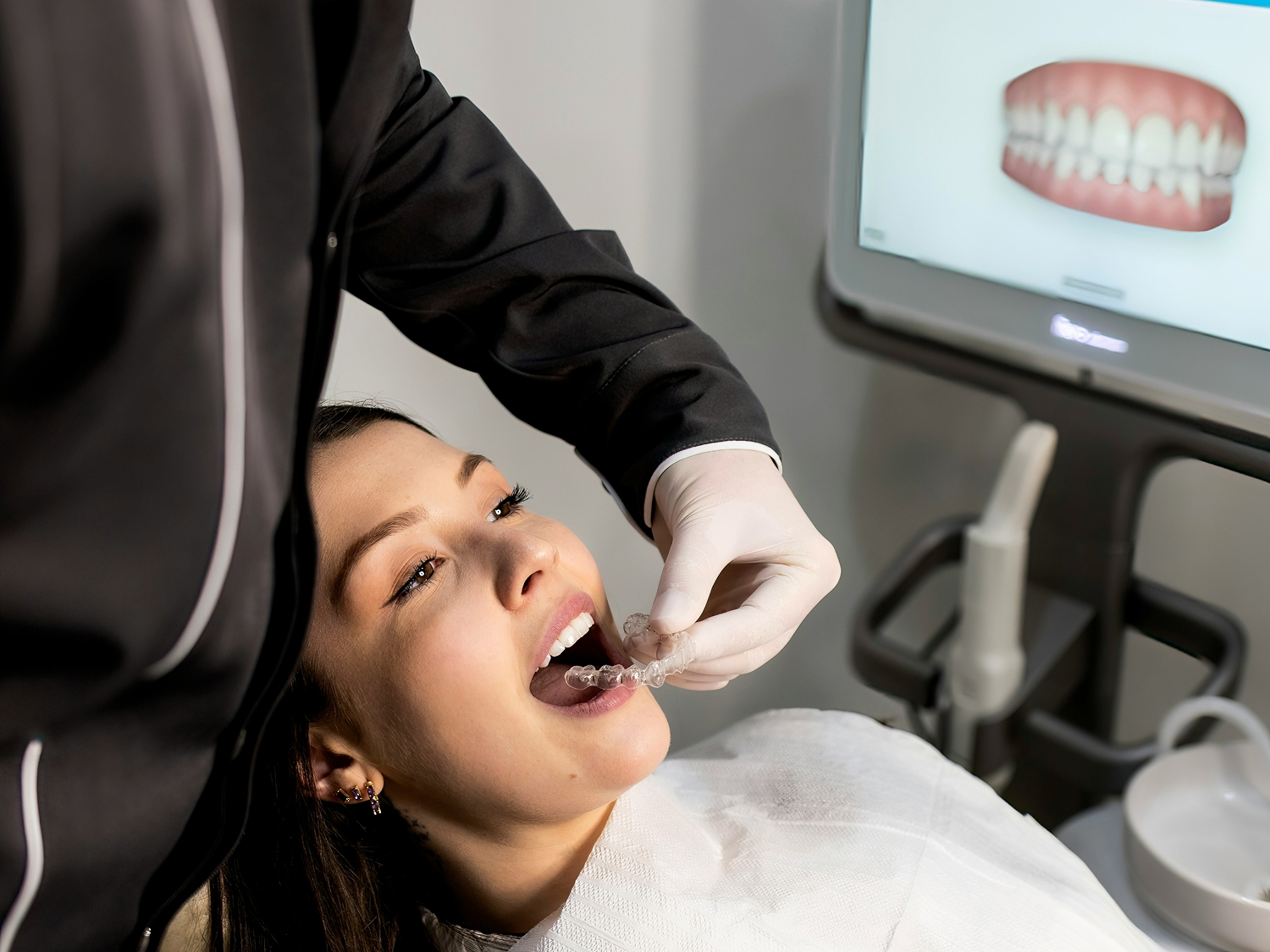
Depending on your chosen solution, treatment may involve placing implants, preparing teeth for a bridge, or designing a removable appliance.
Each option is carefully planned to restore both function and aesthetics.
Final Restoration
Once treatment is complete, your final crowns, bridges, or prosthesis are fitted — restoring your smile, bite, and confidence.
Aftercare for Multiple Missing Teeth Treatments
Tips for Maintaining Your New Smile
Good oral hygiene and regular dental visits are essential for maintaining your results.
Bridges and implants both require proper care to ensure long-term success.
Foods to Avoid After Treatment
Soft foods are recommended during healing for implant treatments. Once complete, most patients can return to a normal diet.
Avoid excessive force or very hard foods to protect your restorations.
Risks and Considerations
Potential Complications and How to Mitigate Them
Risks vary depending on the treatment and may include implant failure, decay around supporting teeth (for bridges), or gum issues. These are minimised with proper care and regular maintenance.
Candidacy: Who Is an Ideal Candidate?
Most patients with multiple missing teeth are suitable for treatment. The best option depends on oral health, bone levels, and personal preferences.
A full assessment will determine whether bridges, implants, or a combination is most appropriate.

Cost of Treating Multiple Missing Teeth
Breakdown of Typical Costs
Costs vary depending on the number of teeth being replaced and the treatment chosen, such as bridges, implants, or dentures.
Factors Influencing Overall Price
Factors include complexity, materials used, need for additional procedures, and type of restoration.
Each treatment plan is customised.
Financing Options
Exploring Payment Plans
Flexible finance options are available to spread the cost into manageable monthly payments.
Insurance Coverage Considerations
Some treatments may be partially covered depending on your insurance policy.

Patient Testimonials
Real Experiences from Invisalign Recipients
Patients who restore multiple missing teeth often report improved confidence, better function, and a significantly enhanced quality of life.
Frequently Asked Questions
The best treatment for multiple missing teeth depends on the number and position of the missing teeth, the health of your remaining teeth, your jawbone and your individual preferences.
At Finaghy Dental in Belfast, we offer several options, including dental implants, implant-supported bridges, conventional dental bridges and removable dentures.
Dental implants can provide a fixed, long-term solution without relying on neighbouring natural teeth for support. Implant-supported bridges can replace several adjacent teeth using fewer implants than the number of missing teeth.
Conventional bridges and removable dentures may also be appropriate, particularly where surgery is unsuitable or a patient prefers a different approach.
During your consultation, we assess your teeth, gums, bite and available bone before discussing the advantages, disadvantages and costs of each option.
Our aim is to recommend a solution that restores function and appearance while protecting your remaining natural teeth wherever possible.
The cost of replacing multiple missing teeth at Finaghy Dental depends on the number of teeth being replaced and the type of restoration required.
Our current dental implant fees are:
- Dental implant placement: £1,350 per implant
- Implant crown: From £1,350 per crown
- Bone grafting: From £650
- Soft tissue grafting: From £1,250
For a straightforward single-tooth replacement, implant placement and an implant crown start from £2,700, excluding any additional procedures or separately charged assessments.
When replacing several missing teeth, an implant-supported bridge may allow multiple teeth to be restored using fewer implants. The final cost depends on the number of implants, the bridge design and any additional treatment required.
At Finaghy Dental, we provide a personalised treatment plan with a clear breakdown of anticipated costs following your assessment.
Fees are correct at the time of publication and are subject to periodic review.
No. You do not necessarily need one dental implant for every missing tooth.
When several adjacent teeth are missing, an implant-supported bridge can often replace multiple teeth using fewer implants.
For example, three adjacent missing teeth may sometimes be replaced using a bridge supported by two dental implants, depending on the location, available bone and forces placed on the restoration.
This approach can reduce the number of implants required while providing a fixed replacement for the missing teeth.
However, not every gap is suitable for an implant-supported bridge. The number and position of implants must be carefully planned to provide adequate support and long-term stability.
At Finaghy Dental in Belfast, we use detailed clinical assessment and appropriate imaging, including CBCT where indicated, to plan implant positioning and restoration design.
Both treatments can replace multiple missing teeth, but they differ in how the replacement teeth are supported.
An implant-supported bridge is attached to dental implants placed into the jawbone. It does not usually require preparation of neighbouring natural teeth and can provide a stable, fixed restoration.
A traditional dental bridge is supported by adjacent natural teeth, which commonly require preparation to accommodate crowns or retainers.
Traditional bridges may be particularly suitable where the supporting teeth already have large restorations or require crowns.
Implant-supported bridges involve surgery, a healing period and a higher initial investment, but can avoid placing additional restorative demands on neighbouring teeth.
At Finaghy Dental, we assess the condition of your remaining teeth, available bone, bite and long-term maintenance requirements before recommending either option.
Yes. Many patients who have been missing teeth for several years can still be considered for dental implants.
However, the jawbone can gradually shrink following tooth loss, potentially reducing the amount of bone available for implant placement.
Where bone loss has occurred, additional procedures such as bone grafting or sinus augmentation may be required to create suitable conditions for implant treatment.
In some cases, alternative implant positions or restoration designs may help avoid more extensive grafting.
At Finaghy Dental in Belfast, we assess your jawbone using clinical examination and appropriate radiographic imaging, including CBCT scanning where indicated.
We will explain whether implants are suitable, whether grafting is necessary and what alternative treatments are available.
Yes. Many patients can replace several missing teeth with fixed dental restorations, avoiding the need for removable dentures.
Depending on your individual circumstances, treatment options may include conventional dental bridges, individual implant crowns or implant-supported bridges.
For patients missing most or all teeth in one jaw, full-arch implant rehabilitation may provide a fixed alternative to conventional removable dentures.
However, fixed treatment is not suitable for everyone. The condition of your remaining teeth, jawbone, gums, bite and general health must be considered.
At Finaghy Dental, we discuss both fixed and removable options, including their advantages, limitations, costs and maintenance requirements.
Our aim is to help you select a treatment that suits your oral health, lifestyle and long-term expectations.
Replacing multiple missing teeth with dental implants commonly takes several months, although treatment times vary depending on the number of implants, the condition of the jawbone and whether additional procedures are required.
Following consultation and treatment planning, implants are surgically placed into the jawbone.
A healing period is usually required to allow the implants to integrate with the surrounding bone. This commonly takes approximately 3–6 months, although some cases require more or less time.
Once integration has been confirmed, digital scans or impressions are taken to manufacture the final implant crowns or bridge.
Where extractions, bone grafting or sinus augmentation are necessary, the overall treatment timeline may be longer.
Temporary teeth may be possible during healing, depending on your clinical circumstances.
At Finaghy Dental, we provide an individual treatment timeline before proceeding.
Dental implant surgery is generally carried out under local anaesthetic, meaning you should not experience pain during the procedure, although you may feel pressure or vibration.
Some swelling, bruising and discomfort are normal following surgery, particularly when multiple implants or additional bone grafting procedures are involved.
These symptoms usually improve over the following days and can often be managed with appropriate postoperative care and pain relief.
For nervous patients, Finaghy Dental also offers intravenous (IV) conscious sedation with midazolam, subject to a suitability assessment.
IV sedation can help reduce anxiety and make longer or more complex dental procedures more comfortable while allowing you to remain conscious and responsive.
During your consultation, we explain the procedure, available sedation options, potential risks and expected recovery.
Implant-supported bridges are designed to provide a long-term replacement for missing teeth and can function successfully for many years with appropriate care.
However, their lifespan depends on several factors, including oral hygiene, gum health, bite forces, smoking, medical conditions and regular maintenance.
Although dental implants cannot develop tooth decay, the surrounding tissues can become inflamed or infected. Peri-implantitis can cause progressive bone loss and potentially lead to implant failure.
The bridge itself may also require maintenance, repair or replacement over time.
At Finaghy Dental, we generally recommend professional periodontal maintenance at least twice yearly for patients with implants, with more frequent appointments where clinically indicated.
We also recommend an annual implant review to assess the health of the surrounding tissues and the condition of the restoration.
Careful cleaning beneath implant-supported bridges using suitable interdental brushes, floss or other recommended cleaning aids is particularly important.
Yes. Dental implants can be used to support a full set of replacement teeth for patients who have lost most or all of their teeth.
Full-arch dental implant treatment typically involves placing a carefully planned number of implants to support a fixed bridge across the upper or lower jaw.
Depending on the individual case, this may involve treatment approaches commonly described as All-on-4 or All-on-6, although the number of implants required varies.
In selected patients, a temporary fixed restoration may be fitted shortly after implant placement. However, immediate fixed teeth are not suitable for everyone and depend on factors such as implant stability, bone quality and bite forces.
Alternative options include implant-retained removable dentures and conventional dentures.
At Finaghy Dental in Belfast, we assess your dental health, bone levels and restorative requirements before discussing whether full-arch implant rehabilitation is appropriate.
We provide personalised treatment planning, including discussion of the benefits, limitations, risks and long-term maintenance requirements.