Porcelain
Veneers Belfast
Porcelain veneers are a highly aesthetic, precision-engineered solution for restoring and enhancing teeth. They are ultra-thin ceramic shells bonded to the front surfaces of teeth to improve colour, shape, alignment, and overall smile harmony.
Unlike direct composite techniques, porcelain veneers are fabricated in a dental laboratory using advanced ceramics, allowing exceptional strength, colour stability, and lifelike translucency. They are often selected when long-term durability and high-level aesthetic refinement are required.
Understanding Porcelain Veneers
Porcelain veneers are thin restorations typically made from high-strength dental ceramics such as lithium disilicate or feldspathic porcelain. They are custom-designed to bond permanently to the enamel surface of teeth.
They are indicated for teeth that are:
- Severely discoloured or resistant to whitening
- Worn from attrition or erosion
- Chipped or fractured
- Misshapen or undersized
- Mildly misaligned
- Separated by moderate gaps
Unlike composite bonding, porcelain veneers generally require controlled enamel reduction to create space for the ceramic material and ensure a natural emergence profile. This preparation is conservative but irreversible.
Porcelain veneers are frequently incorporated into comprehensive smile makeovers and may complement orthodontics and professional whitening.
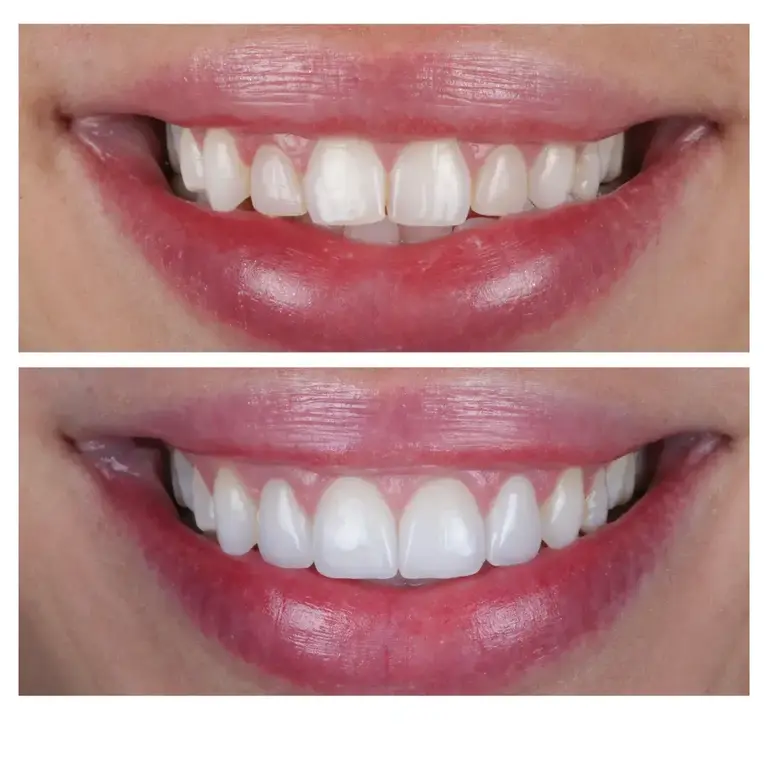
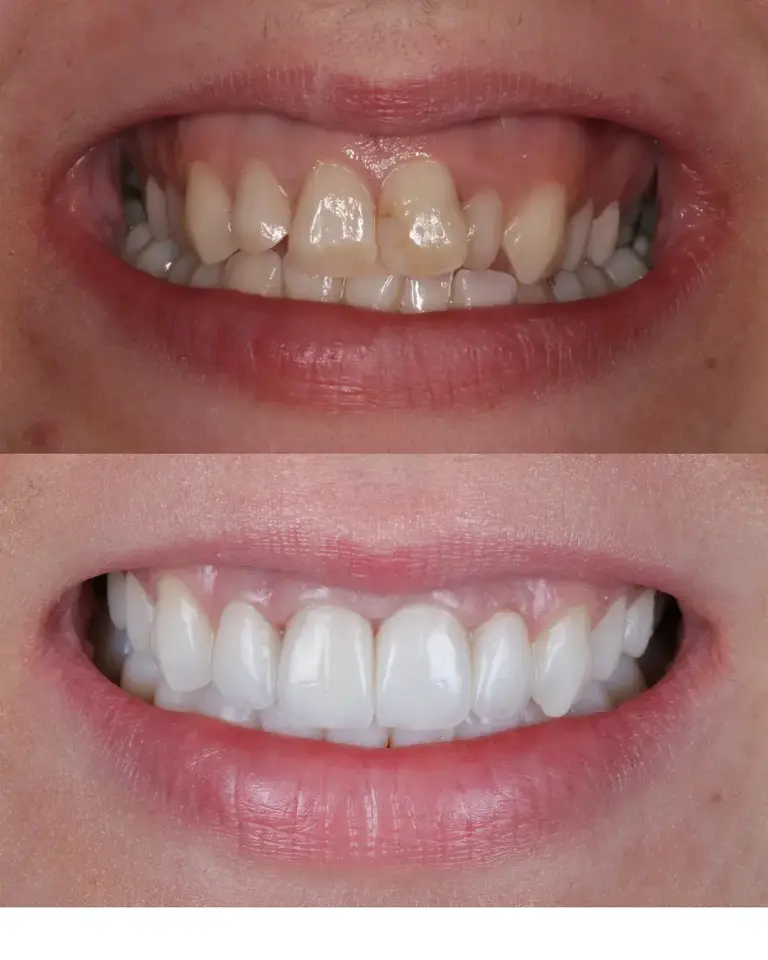
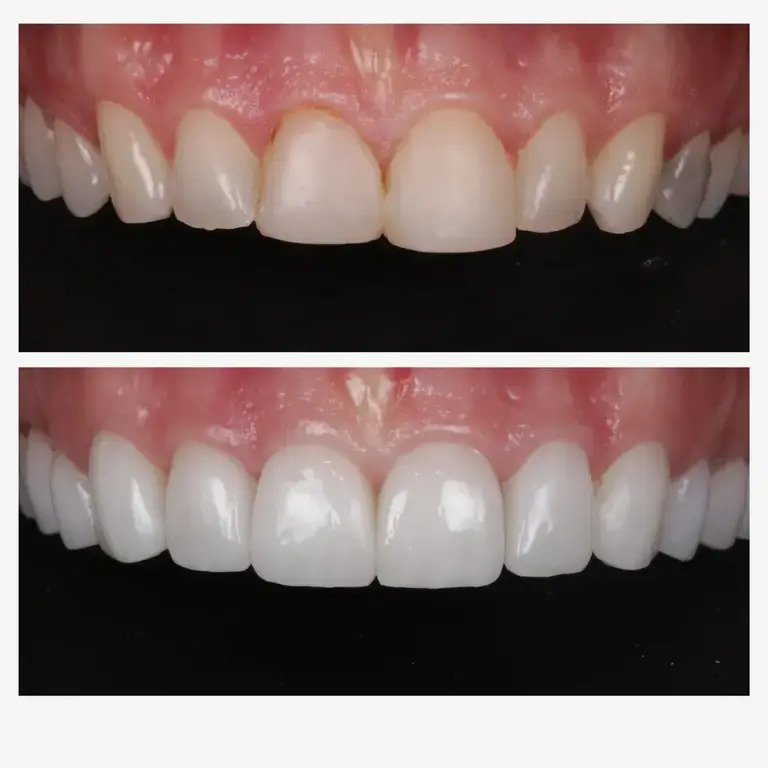
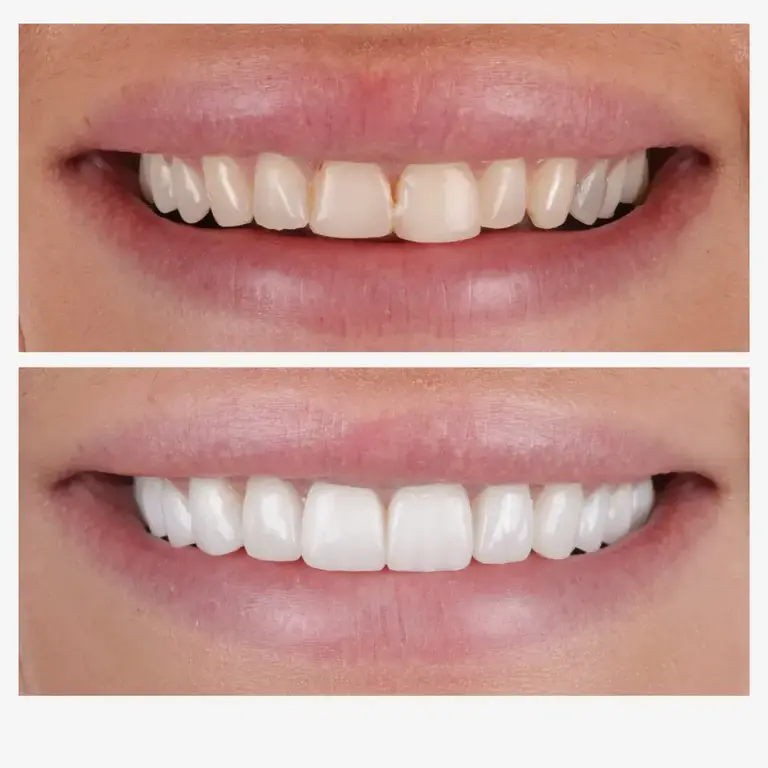
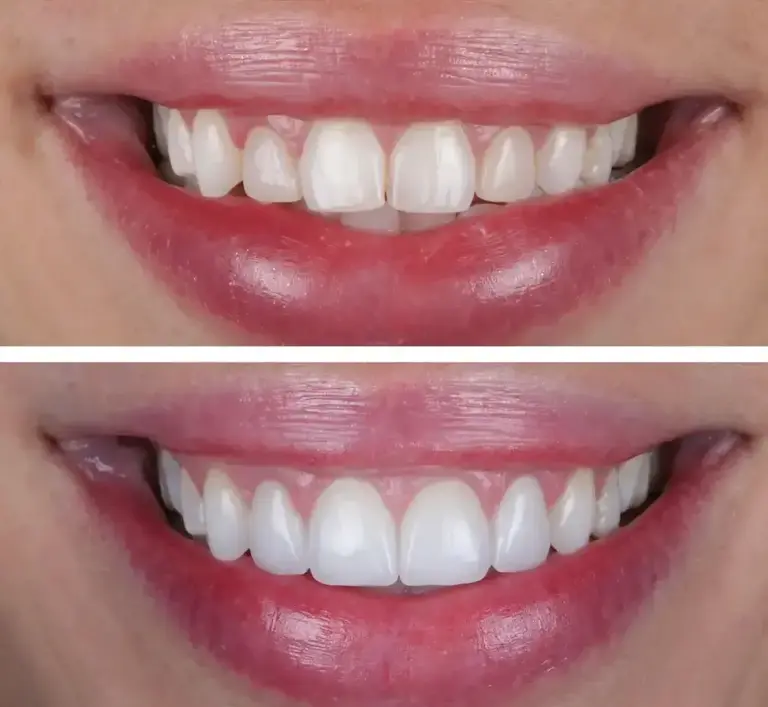
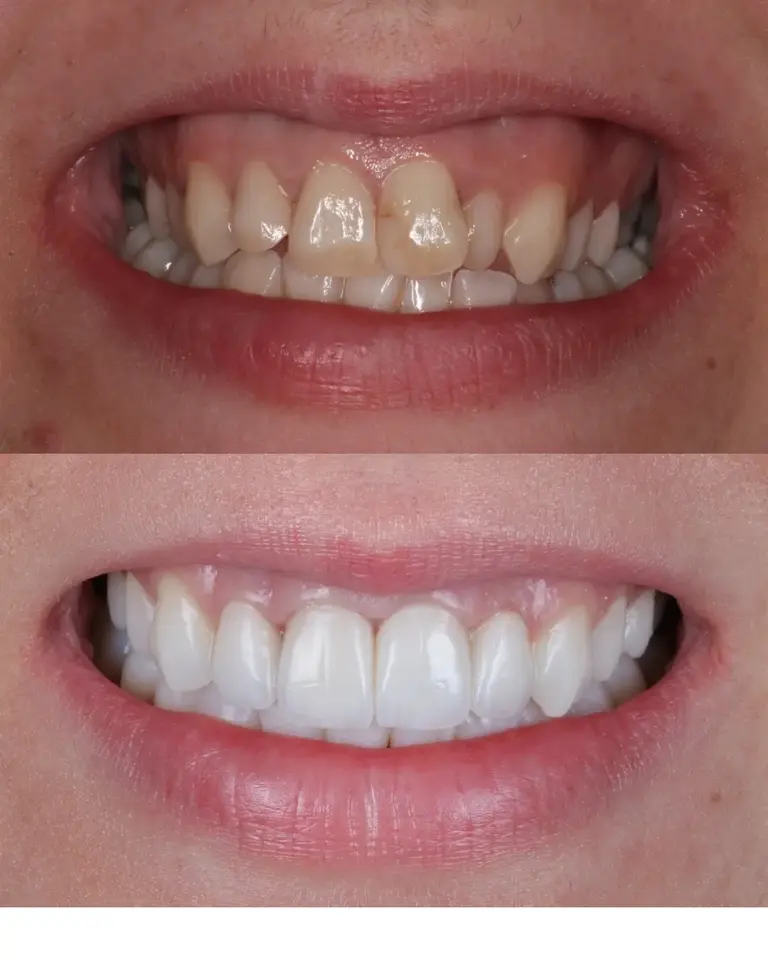
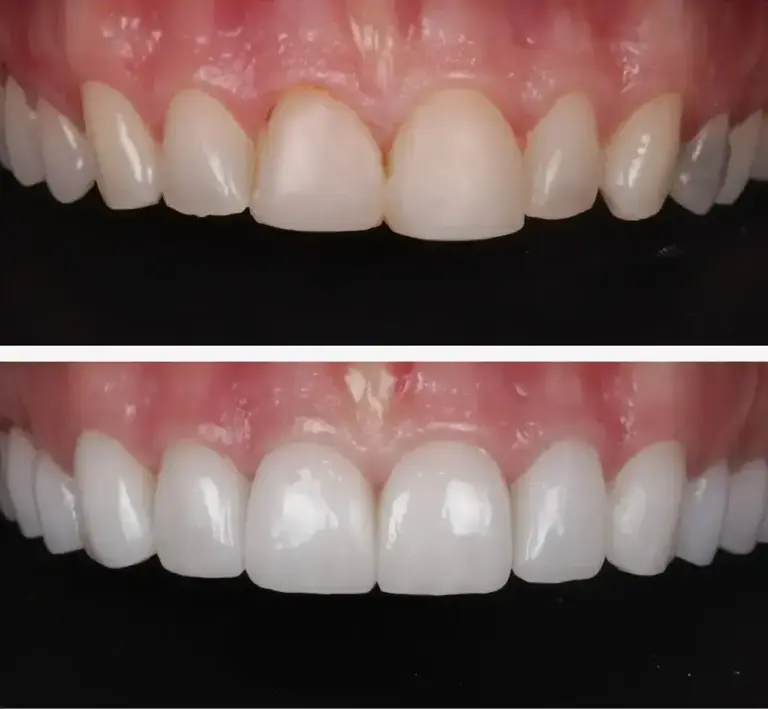
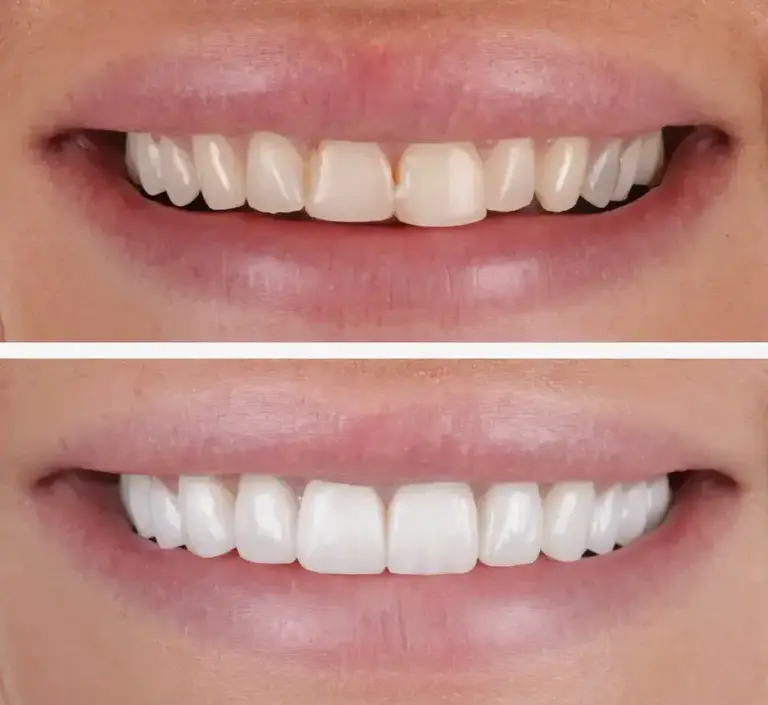
Benefits of Porcelain Veneers for Dental Concerns
Addressing Aesthetic Issues
From an aesthetic standpoint, porcelain veneers provide superior optical properties. High-quality ceramics replicate:
- Natural enamel translucency
- Depth of colour
- Fluorescence under light
- Surface texture and gloss
Because porcelain is highly colour stable, veneers resist staining from coffee, tea, red wine, and smoking far more effectively than composite materials.
Clinically, veneers can:
- Dramatically improve symmetry
- Correct uneven incisal edges
- Enhance tooth proportions
- Mask intrinsic staining (e.g., tetracycline staining)
- Refine smile arc and midline discrepancies
The result is a balanced, harmonious smile with long-term aesthetic predictability.
Restoring Tooth Functionality
Beyond cosmetic enhancement, porcelain veneers can restore structural integrity in cases of anterior tooth wear or minor fractures.
They may:
- Reinforce weakened enamel
- Restore lost incisal length
- Re-establish anterior guidance
- Protect exposed dentine
- Improve contact points and occlusal function
In carefully selected cases of mild to moderate tooth wear, veneers can serve as part of a conservative additive-rehabilitative approach. However, comprehensive bite analysis is essential to prevent overload and ceramic fracture.

The Consultation Process
What to Expect During Your Initial Visit
A detailed assessment is essential prior to veneer treatment.
The consultation typically includes:
- Full dental and periodontal examination
- Radiographic evaluation (if indicated)
- Photographic documentation
- Occlusal analysis
- Smile design discussion
- Shade assessment
- Discussion of expectations and limitations
Digital smile design or diagnostic wax-ups may be used to preview proposed changes. This stage ensures clarity regarding tooth proportions, incisal edge position, and overall facial harmony.
Patients must have stable gum health and controlled occlusal forces before proceeding.
Tooth Preparation for Composite Veneers
The Steps Involved in Tooth Preparation
Tooth preparation is conservative but precise.
Steps typically include:
- Local anaesthesia (if required)
- Minimal enamel reduction (usually 0.3–0.7 mm)
- Refinement of incisal edges (if length changes are planned)
- Impressions or digital scanning
- Shade communication with laboratory
- Provision of temporary veneers
Maintaining preparation within enamel significantly improves long-term bond strength.
Anesthesia Options for Comfort
Local anaesthesia is commonly administered due to enamel reduction and margin refinement.
Patients generally report minimal post-operative discomfort. Temporary veneers protect prepared teeth during the fabrication phase.
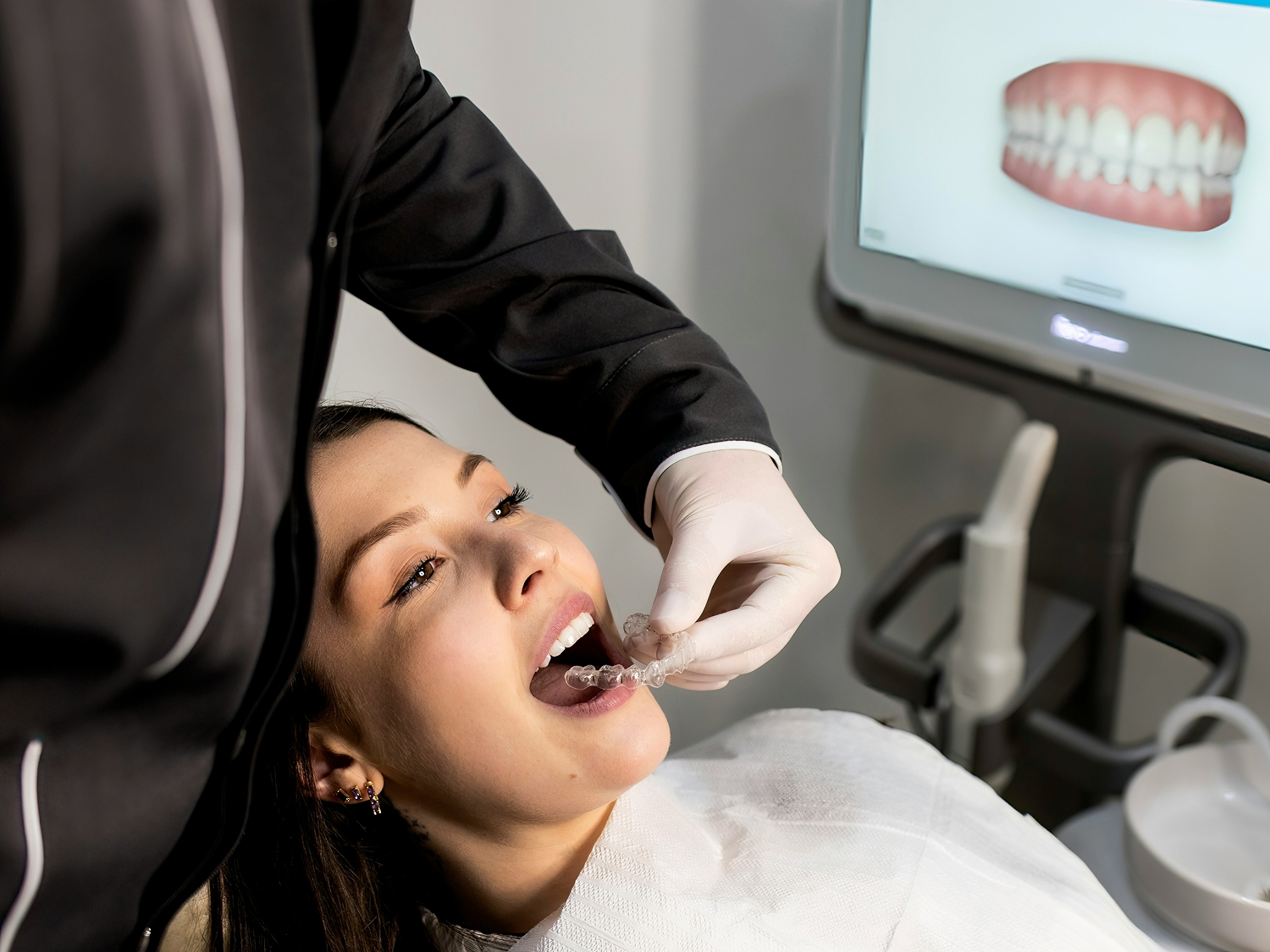
The Porcelain Veneers Procedure
Applying the Porcelain Veneers
Once laboratory-fabricated veneers are ready (typically 1–3 weeks later), the fitting appointment includes:
- Removal of temporaries
- Cleaning of prepared surfaces
- Try-in to assess fit, shade, and aesthetics
- Adhesive bonding protocol
The bonding procedure involves:
- Etching the enamel
- Silanating the ceramic surface
- Application of bonding resin
- Placement using dual-cure or light-cure resin cement
Proper isolation and moisture control are critical for long-term success.
Shaping and Polishing the Veneers
After bonding:
- Excess cement is removed
- Margins are refined
- Occlusion is carefully adjusted
- Final polishing is performed
The glazed ceramic surface provides exceptional smoothness and plaque resistance. Final bite verification ensures veneers are not subjected to excessive functional load.
Aftercare for Porcelain Veneers
Tips for Maintaining Your New Smile
Porcelain veneers can last many years with appropriate care.
Maintenance recommendations include:
- Twice-daily brushing with non-abrasive toothpaste
- Daily flossing
- Regular professional cleaning
- Wearing a night guard if bruxism is present
- Avoiding biting hard objects
Routine reviews ensure early detection of potential issues.
Foods to Avoid After Treatment
Porcelain is highly stain resistant, but veneers are not indestructible.
Patients should avoid:
- Biting hard items (ice, pens, hard sweets)
- Using teeth as tools
- Excessive force during nail biting
Moderation and protective habits enhance longevity.
Risks and Considerations
Potential Complications and How to Mitigate Them
Potential risks include:
- Veneer fracture
- Debonding
- Marginal staining
- Gum irritation
- Post-operative sensitivity
Risk mitigation strategies:
- Thorough occlusal assessment
- Conservative enamel-based preparation
- Use of high-quality ceramics
- Protective night guard
- Regular review appointments
When correctly planned and bonded, survival rates are high over 10–15 years.
Candidacy: Who Is an Ideal Candidate?
Ideal candidates:
- Have healthy periodontal tissues
- Maintain good oral hygiene
- Desire long-term colour stability
- Have moderate to significant aesthetic concerns
- Have stable occlusion
Patients with uncontrolled bruxism, severe malocclusion, or extensive structural loss may require alternative or adjunctive treatments.

Cost of Porcelain Veneers
Breakdown of Typical Costs
Porcelain veneers are typically priced per tooth and reflect:
- Laboratory fabrication
- Ceramic material quality
- Clinical expertise
- Multiple appointments
They are generally more expensive than composite alternatives due to laboratory involvement and material longevity.
Factors Influencing Overall Price
Overall cost depends on:
- Number of veneers required
- Case complexity
- Type of ceramic used
- Digital vs conventional workflow
- Geographic location
- Clinician experience
A comprehensive treatment plan will outline all costs prior to commencement.
Financing Options for Porcelain Veneers
Exploring Payment Plans
Many clinics provide:
- Interest-free finance options
- Third-party healthcare financing
- Staged smile makeover treatment
- Flexible instalment arrangements
This allows patients to spread the investment over time.
Insurance Coverage Considerations
Porcelain veneers performed for cosmetic enhancement are generally not covered by insurance.
If veneers are required following trauma or structural damage, partial coverage may apply depending on individual policies.

Porcelain Veneers Testimonials
Real Experiences from Porcelain Veneer Recipients
Patients frequently report:
- Significant confidence improvement
- Long-term colour stability
- Natural translucency and lifelike results
- Improved smile symmetry
- Enhanced durability compared to composite
Successful outcomes depend on realistic expectations and proper long-term maintenance.
Porcelain Veneers Frequently Asked Questions
Porcelain veneers typically last 10–15 years, and often longer with proper care. Longevity depends on:
- Oral hygiene
- Bite stability
- Night guard compliance
- Avoidance of excessive force
Regular reviews can extend lifespan.
Minor edge chipping may sometimes be repaired using composite resin. However, significant fractures usually require veneer replacement. Unlike composite, porcelain is less easily repairable intraorally.
In most cases, porcelain veneers provided purely for cosmetic improvement are not covered by the NHS.
The NHS may provide treatment if it is clinically necessary to restore function or address significant structural damage, but aesthetic enhancement alone does not typically qualify. Eligibility depends on clinical assessment and NHS guidelines.